
Key Cabinet Decisions to Boost India's Energy Security and Infrastructure
Significant Cabinet Decisions Under PM Modi's Leadership
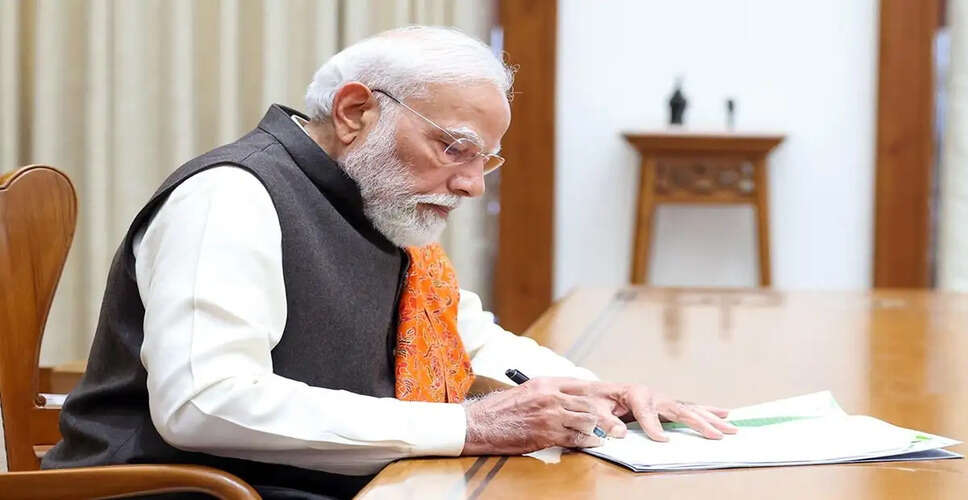
In a recent cabinet meeting chaired by Prime Minister Narendra Modi, several crucial decisions were made that will directly impact the nation's energy security, infrastructure, urban transport, and agriculture sectors. Among these decisions are the establishment of a large refinery project in Rajasthan, hydroelectric projects in Arunachal Pradesh, the expansion of the Jaipur Metro, and fertilizer subsidy measures for farmers.
Rajasthan Refinery Project Approved
Union Minister for Information and Broadcasting Ashwini Vaishnaw announced that one of the key decisions includes the approval for a revised budget for the HPCL Rajasthan Refinery Limited project located in Pachpadra, Barmer district. The project's cost has now been adjusted to approximately ₹89,469 crores. Additionally, the Hindustan Petroleum Corporation Limited has received approval for further equity investment, bringing the total investment to ₹19,600 crores. This state-of-the-art refinery will produce petrol, diesel, and petrochemical products such as polypropylene, LLDPE, HDPE, and benzene, playing a vital role in making the country self-reliant in energy and reducing import dependency.
Economic and Employment Benefits
The refinery project is expected to save foreign currency and promote industrialization in Rajasthan's underdeveloped areas. Approximately 25,000 jobs have already been created during the construction phase, with further employment opportunities anticipated. The commercial operation of the refinery is scheduled to commence by July 2026.
Hydroelectric Projects in Arunachal Pradesh
Furthermore, the cabinet has approved two major projects aimed at enhancing hydroelectric power generation in Arunachal Pradesh. The first project, the Kalai II Hydroelectric Project, will have a capacity of 1,200 megawatts and an investment of around ₹14,105 crores. This project, located on the Lohit River, is expected to generate 4,858 million units of electricity annually, strengthening the state's power supply and contributing to the national grid's stability.
Second Hydroelectric Project Details
The second significant project is the Kamla Hydroelectric Project, which will have a capacity of 1,720 megawatts with an estimated expenditure of ₹26,079 crores. It is projected to produce 6,870 million units of electricity each year and will also assist in flood control in the Brahmaputra Valley. These projects will include the construction of roads, bridges, hospitals, and schools, facilitating local development and providing employment and other benefits to the community.
Expansion of Jaipur Metro
In a significant move for urban transport, the cabinet has approved the second phase of the Jaipur Metro. This project will feature a 41-kilometer North-South corridor with 36 stations, costing over ₹13,037 crores. It aims to improve traffic management in Jaipur by connecting key areas such as the Sitapura industrial zone, airport, Tonk Road, and other important locations.
Environmental and Traffic Benefits
The expansion of the Jaipur Metro is expected to reduce traffic congestion, lower pollution levels, and encourage the use of public transport, with a completion target set for 2031.
Support for Farmers
Additionally, to provide relief to farmers, the cabinet has approved nutrient-based subsidy rates for phosphate and potash fertilizers for the Kharif season of 2026, allocating approximately ₹41,533 crores, which is an increase from the previous year. This decision aims to ensure that farmers have access to affordable fertilizers, thereby reducing their cultivation costs.
Government's Commitment to Farmers
This initiative by the Modi government considers the fluctuations in international fertilizer prices to prevent any inconvenience to farmers and ensure uninterrupted production.
Overall Impact of Cabinet Decisions
In summary, the decisions made during today's cabinet meeting are poised to accelerate the overall development of the country. By increasing investments in key sectors such as energy, infrastructure, urban transport, and agriculture, the government is taking significant steps towards self-reliance, job creation, and economic resilience.