
Kevin Warsh Takes Over as Federal Reserve Chair Amid Economic Challenges
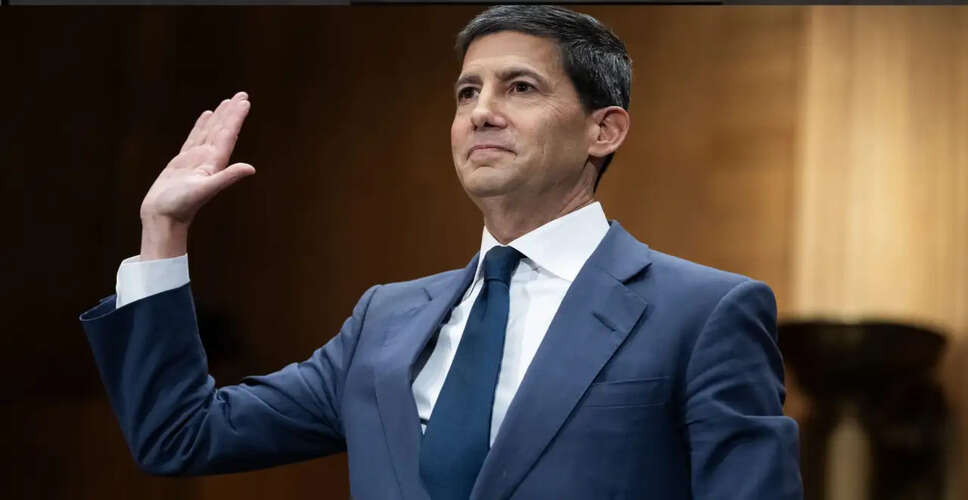

Kevin Warsh Sworn in as New Federal Reserve Chair
On Friday, Kevin Warsh officially became the chair of the Federal Reserve Board of Governors, succeeding Jerome Powell, who has been at the helm since 2018. Warsh, aged 56, steps into this pivotal role during a turbulent period for the U.S. economy, characterized by rising inflation and growing political scrutiny regarding the Fed's autonomy. His Senate confirmation largely followed party lines, with only Senator John Fetterman from Pennsylvania breaking ranks to support his nomination.
Concerns Over Political Influence
Nominated by President Donald Trump, Warsh's confirmation process raised questions about the Federal Reserve's independence. Following his swearing-in, Trump emphasized his desire for Warsh to operate free from external pressures, stating, "I want Kevin to be totally independent and do a great job. Don’t look at me and don’t look at anybody. Just do your own job." During the confirmation hearings, Senator Elizabeth Warren criticized Warsh for his perceived closeness to Trump, labeling him a "sock puppet." Warsh countered this assertion, assuring that he would uphold independence in his monetary policy decisions. Although he previously opposed interest rate cuts during Biden's presidency, he adjusted his views after Trump took office, with Trump indicating he would only appoint someone aligned with his rate-cutting agenda. However, as chair, Warsh will collaborate with 12 other voting members on the Federal Open Market Committee, with his inaugural policy meeting set for June 16-17.
Economic Landscape and Inflation Concerns
Warsh's leadership comes at a time of escalating inflation, particularly driven by soaring energy prices linked to the ongoing conflict with Iran. The latest Consumer Price Index indicates a 0.6% rise in consumer prices for April, following a 0.9% increase in March. Year-over-year, prices have surged by 3.8%, marking the most significant rise in three years, with energy costs climbing 17.9% over the past year. Currently, the average price for a gallon of gasoline is $4.56, a notable increase from $2.98 at the end of February, coinciding with U.S. and Israeli military actions against Iran, according to AAA data. After his swearing-in, Warsh acknowledged the economic hurdles ahead, stating, "I am not naive about the challenges facing the U.S. economy," while expressing confidence that inflation could be reduced without sacrificing growth. Analysts at JPMorgan Chase predict that interest rates will likely remain stable until at least mid-2027, with potential rate hikes if inflation continues to be a concern. The CME Group’s FedWatch tool currently indicates a 97% likelihood that rates will remain unchanged at the upcoming policy meeting. Minutes from the Federal Reserve's April meeting underscored worries that inflation could exceed expectations, influenced by the Middle East conflict and other factors.