
Kesha Criticizes White House for Using Her Song in Military Context
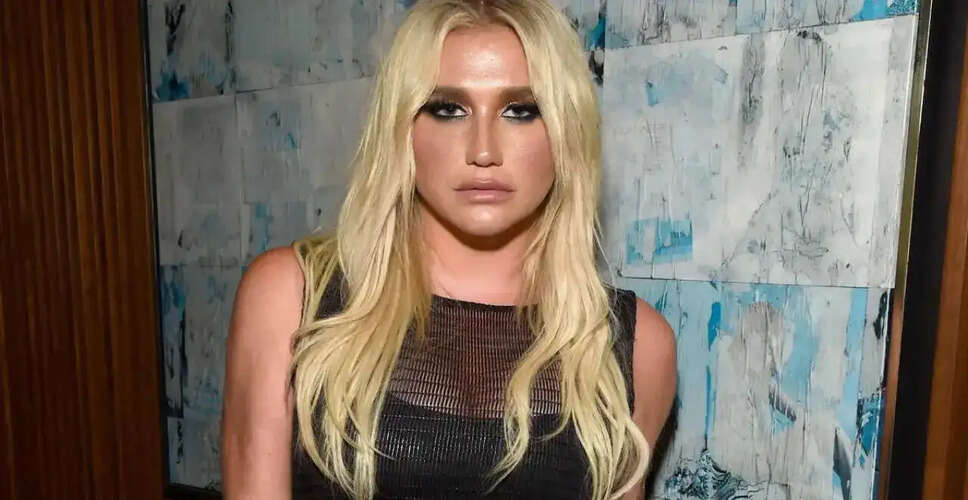
Kesha's Response to White House TikTok Post
On February 10, the White House shared a TikTok video featuring a fighter jet launching a missile at a naval vessel, captioned simply with the word "Lethality." The video was set to Kesha's upbeat track 'Blow,' which is more about partying than military actions. This post has garnered an impressive 14.5 million views and 1.8 million likes. However, Kesha was not consulted about the use of her song, and she expressed her disapproval. Amid rising tensions due to the Iran conflict, Kesha took to X to voice her concerns, stating, "It's come to my attention that the White House has used one of my songs on TikTok to incite violence and threaten war. Trying to make light of war is disgusting and inhumane. I absolutely do NOT approve of my music being used to promote violence of any kind."
KeshaRose
2028609721981145216
She further emphasized, "Love always trumps hate. Please love yourself and each other in times like this. This blatant disregard for human life and this attack on our collective well-being is contrary to my beliefs." Kesha also used her platform to highlight the Epstein files, alleging that Donald Trump's name appears in them over a million times, urging people not to let current events distract them from this issue.
A Pattern of Artist Discontent
She's Far From the First
Kesha's discontent places her among a growing number of artists who have publicly criticized the Trump administration for using their music without authorization during rallies, campaigns, or on social media. Notable names include Olivia Rodrigo, Sabrina Carpenter, SZA, Celine Dion, Kenny Loggins, Linda Ronstadt, Foo Fighters, and the White Stripes. The trend is clear: a song is used, the artist learns about it publicly, they voice their objections, yet the content often remains online. It remains uncertain whether the White House will address Kesha's concerns or if the TikTok video will continue to gain traction, but history suggests the latter is more likely.