
Kerala High Court Halts ED Proceedings Against Chief Minister and Others
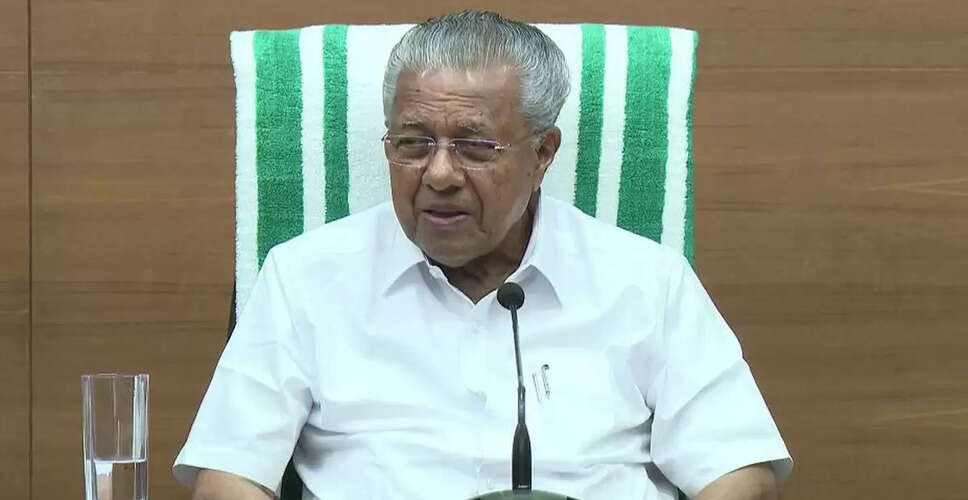
Court Issues Stay on Enforcement Directorate Actions
On Thursday, the Kerala High Court issued a stay for three months on the show cause notices and proposed actions initiated by the Enforcement Directorate (ED) against Chief Minister Pinarayi Vijayan and two other individuals concerning alleged violations of foreign exchange regulations by the Kerala Infrastructure Investment Fund Board.
The court's decision also applies to former state finance minister TM Thomas Isaac and KM Abraham, the board's CEO.
Justice VG Arun delivered the interim ruling following a joint petition submitted by Vijayan, Isaac, and Abraham, and directed the ED to respond to the claims made in the petition.
Earlier this week, the court had already granted a similar three-month stay regarding the show cause notice and adjudication processes against the investment board itself, with the judge confirming that the same relief would extend to the three petitioners.
The ED informed the court that it plans to file an intra-court appeal against this order.
The central agency is currently investigating whether approximately Rs 2,150 crore raised through masala bonds issued in 2019 and listed on the International Securities Market in London were utilized for land purchases, allegedly breaching Foreign Exchange Management Act regulations.
Additionally, the agency claims this activity constitutes prohibited 'real estate activity' under the Reserve Bank of India's 2015 Master Directions.
Masala bonds are issued outside India but are denominated in Indian rupees, enabling Indian companies to attract capital from foreign investors in Indian currency, typically for funding infrastructure projects.