
Kejriwal Faces Setback as Gujarat High Court Rejects Petition in Defamation Case
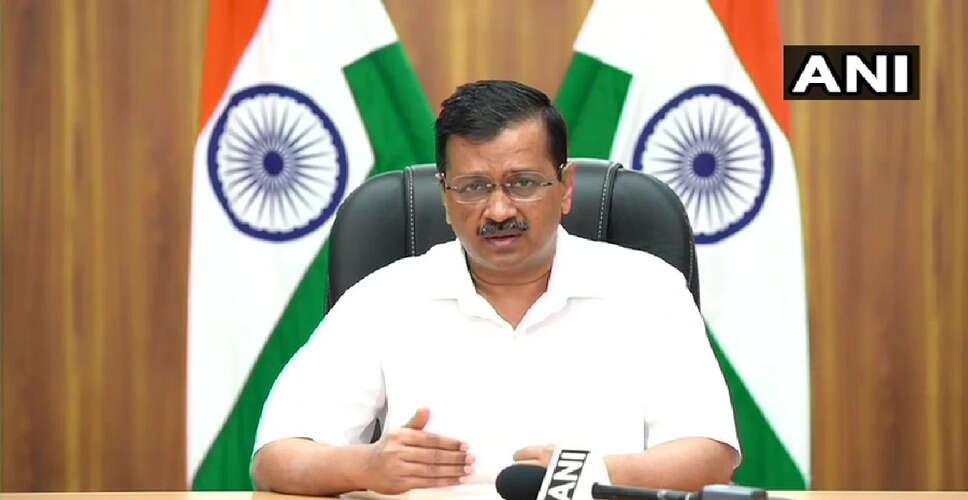
Gujarat High Court Dismisses Kejriwal's Petition
Former Delhi Chief Minister Arvind Kejriwal encountered a significant setback on Tuesday when the Gujarat High Court dismissed his petition. This petition sought a separate hearing for Aam Aadmi Party leader Sanjay Singh in a criminal defamation case related to comments on Prime Minister Narendra Modi's educational qualifications.
The case revolves around allegations made by AAP leaders questioning the authenticity of the Prime Minister's degree. Justice M.R. Mengde delivered the ruling, stating that the application was rejected.
Previously, Kejriwal had challenged a December 15, 2025 order from the Additional Principal Judge Manish Pradyuman Purohit of the Ahmedabad City Sessions Court. This order had dismissed his revision petition, which sought to overturn a ruling made by the Magistrate Court on September 23, 2023.
Kejriwal had filed a plea in the Magistrate Court requesting that the case against him be tried separately from that of the other accused, Sanjay Singh. He argued that combining both cases under a single complaint would not serve the interests of justice.
In the sessions court, Kejriwal contended that it was inappropriate to try both defendants together, asserting that the allegations and transactions against them were distinct.