
Kazakhstan and Russia Forge Historic Nuclear Power Agreement

Kazakhstan's Nuclear Ambitions Take Shape
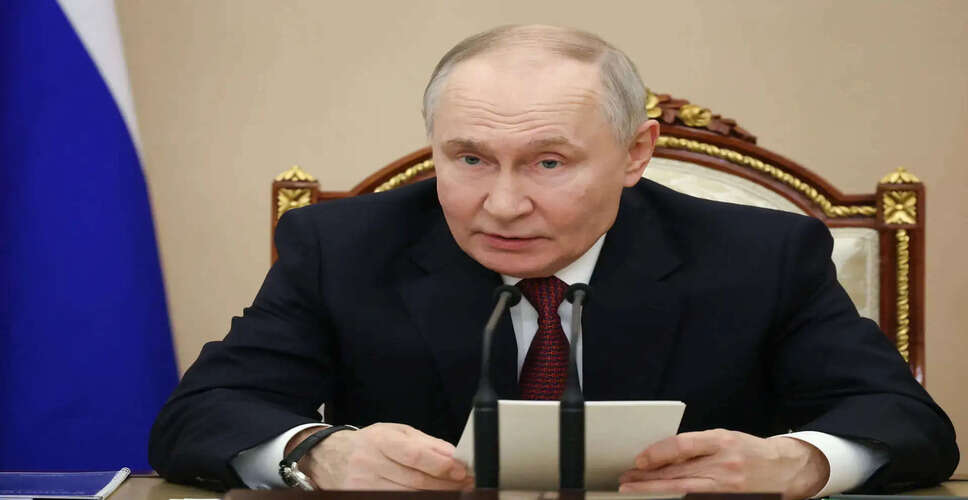
On Thursday, Kazakhstan and Russia formalized a significant agreement to establish the first nuclear power facility in Kazakhstan, marking a pivotal moment in the nation's long-standing aspirations for nuclear energy. This agreement was finalized during Russian President Vladimir Putin's visit to Kazakhstan, where he engaged in discussions with President Kassym-Jomart Tokayev in Astana.
During the meeting, Tokayev emphasized the importance of the agreement regarding the Balkhash Nuclear Power Plant, expressing gratitude to Putin for Russia's backing of this ambitious initiative. Reports indicate that Russia will also extend export credit financing to support the project, covering approximately 85% of the anticipated $15 billion cost, as stated by Kazakhstan's nuclear energy agency.
The planned nuclear facility will be situated near Ulken village, adjacent to Lake Balkhash in southeastern Kazakhstan, and will feature two nuclear reactors. Despite being the largest uranium producer globally, Kazakhstan has deliberated over the adoption of nuclear power for over twenty years. The nation has approached this decision cautiously, influenced by the historical impact of Soviet-era nuclear tests that have left lasting environmental and health issues.
In a national referendum held in 2024, Kazakhstan's citizens voted in favor of constructing a nuclear power plant, which has now led to the current agreement with Russia. With a population of approximately 20.5 million, Kazakhstan aims to achieve a nuclear energy capacity of 2.4 gigawatts by 2035 as part of its comprehensive energy strategy and commitment to diversifying its energy sources.