
Kashmir Maintains Restrictions Amid Easing Tensions Following Protests
Current Situation in Kashmir
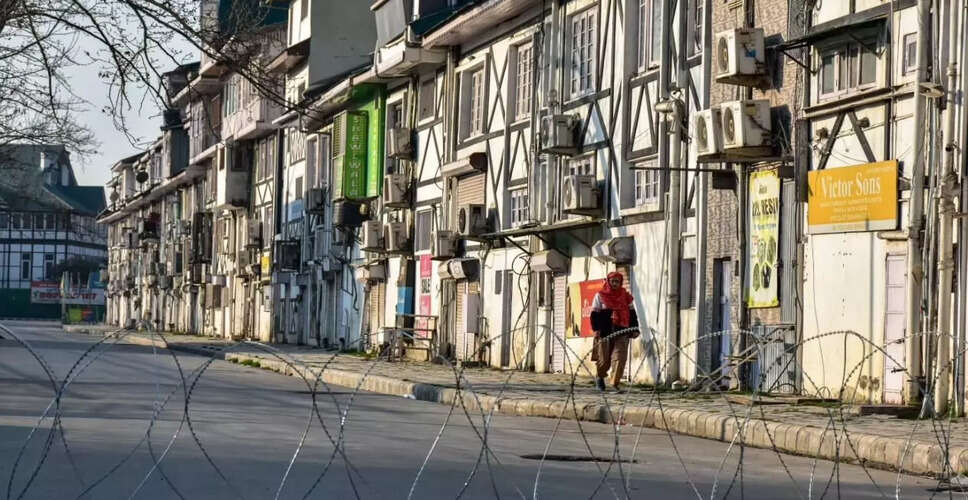
Srinagar, March 5: Restrictions remain in effect across Kashmir, although the overall situation is showing signs of improvement as tensions gradually decrease.
The unrest was triggered by protests following the death of Ayatollah Ali Khamenei due to US-Israel strikes in Iran.
Authorities have announced that restrictions will persist throughout the Valley today, prohibiting any protests or gatherings to ensure law and order.
Police and CRPF units have been deployed at sensitive locations in Srinagar and other districts to maintain security.
Barricades and blockades have been established at various road intersections to enforce these restrictions.
These measures are particularly stringent in areas with a significant Shia Muslim population in Srinagar and surrounding districts.
Despite ongoing precautionary actions, the situation is visibly improving, with residents venturing out in small groups to purchase essential goods in the uptown areas of Srinagar and other district headquarters.
While the city center of Lal Chowk remains heavily barricaded, shops in other uptown areas have resumed normal operations.
As tensions ease, security forces have adopted a more lenient approach towards individuals returning to their daily routines where feasible.
Reports from other district headquarters indicate that markets are reopening, allowing people to buy necessary items.
In Srinagar, office-goers, except in the old city areas, have resumed their duties this morning, mirroring the situation across the Valley.
Educational institutions, including schools, colleges, and universities, will remain closed until March 7.
All examinations scheduled before March 7 have been postponed by Kashmir University, the cluster university, and the Central University.
Internet services will continue to operate at 2G speeds, while prepaid mobile services remain suspended until further notice.
Authorities have filed FIRs against individuals for posting objectionable content online, including MP Aga Syed Ruhullah Mehdi and former Srinagar mayor Junaid Azim Mattu, for allegedly sharing provocative material.
These restrictions were implemented as a precaution following protests in the Valley over the death of Iranian Supreme Leader Ayatollah Ali Khamenei due to a US-Israeli bombing.
Chief Minister Omar Abdullah engaged with civil society members, including representatives from religious, social, and business sectors in Srinagar on Wednesday.
He also offered prayers for those, including Ayatollah Ali Khamenei, who lost their lives in the recent events in Iran.
The Chief Minister emphasized the need for peace and communal harmony, encouraging people to express their feelings and concerns peacefully while fostering unity and brotherhood.