
Karva Chauth 2026: No Religious Restrictions for First-Time Observers
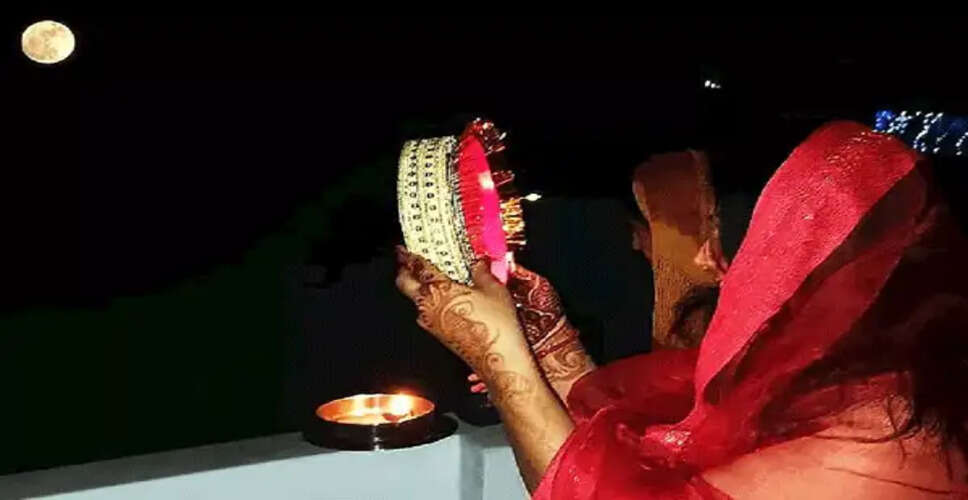

Exciting News for First-Time Karva Chauth Observers
Women preparing to celebrate their first Karva Chauth after marriage have received encouraging news this year. For the first time, there are no religious restrictions or prohibitions associated with observing the fast. According to the Jyotish Math Institute, ancient texts like Dharmasindhu and Nirnayasindhu do not mention any barriers for those observing the fast for the first time.
Karva Chauth Date and Moonrise Timing
According to the Panchang, Karva Chauth will be celebrated on October 29 this year, with the moon expected to rise at 8:24 PM. Women observing the fast should pay attention to the moonrise timing, as weather conditions like clouds and light rain may require them to wait longer to see the moon in some areas.
Astrological Significance of Karva Chauth
Scriptural guidelines suggest that women should offer prayers once the moon rises slightly above the horizon, showcasing its natural glow and coolness. This year, a unique astrological alignment will occur, featuring the conjunction of Rohini and Mrigashira nakshatras along with Shiv Yoga.
From an astrological perspective, the moon being in its exalted sign of Taurus on this day symbolizes love, trust, and harmony in marital life. This rare celestial event enhances the significance of the festival, aiming to strengthen the bonds between husbands and wives. Additionally, with Venus rising on October 28, there will be no Venus-related dosha on Karva Chauth, and no obstacles from Bhadra will be present.
Celebration in Bengal and Observance Guidelines
In the Bengal region, this festival is also referred to as 'Dasharath Chaturthi.' Women preparing for the fast this year can celebrate with full devotion and sincerity, free from any misleading information circulating on social media regarding first-time observers. These misconceptions are entirely unfounded.
As part of the fasting ritual, women should bathe before sunrise and wear clean clothes, accepting the 'sargi' given by their mothers-in-law. They then remember Goddess Parvati, Lord Shiva, and Lord Ganesha while taking a vow for a Nirjala or fruit-based fast. In the evening, they perform a formal worship of the deities and read or listen to the fast's story, lighting a lamp to pray for a happy married life. When the moon rises, they view it through a sieve, offer water to the moon, and finally break their fast by looking at their husband's face.