
Karnataka Minister Criticizes RSS Over Accountability Concerns
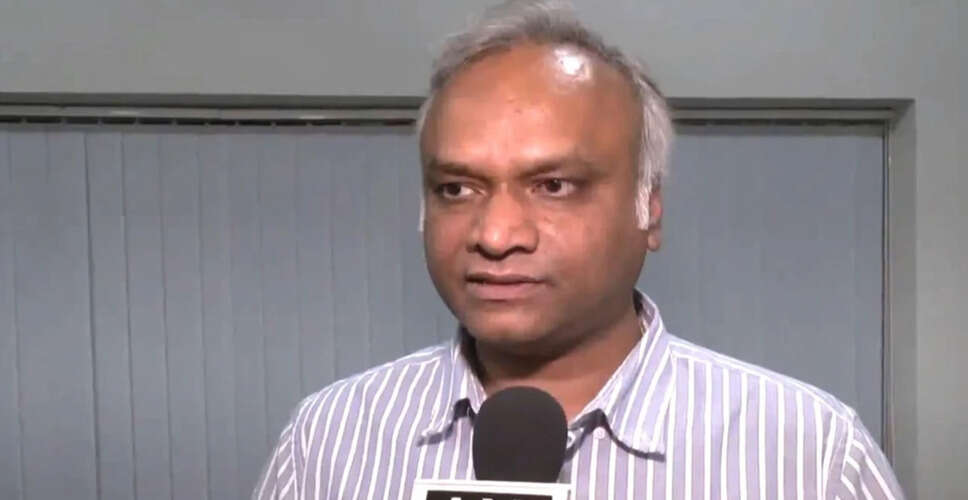
Minister Priyank Kharge Responds to RSS Notice
On Tuesday, Karnataka Minister Priyank Kharge dismissed reports of a special court in Bengaluru issuing a notice against him for his comments regarding the Rashtriya Swayamsevak Sangh (RSS). He characterized this action as a tactic to intimidate those raising legitimate questions about the organization. Kharge emphasized that it is not new for the RSS to employ such intimidation strategies. He stated, 'We are questioning the RSS, its funding, and its existence. Show me a single law in this country that says your registration should not exist just because you are a group of individuals.' He underscored that accountability applies to all institutions in the country.
Questions on RSS Accountability
Kharge further argued that in a nation where temples and NGOs are held accountable, why should the RSS be exempt? He asserted that accountability will come, as the Constitution of India remains intact. The RSS is not above the Constitution, nor am I. Earlier today, Kharge shared an article on social media platform X, which detailed that a special court had issued notices to him and State Minister Dinesh Gundurao concerning a defamation complaint filed by an RSS member.
Concerns Over Transparency
In his post, Kharge referenced a statement by RSS chief Mohan Bhagwat, who claimed that the organization operates on donations from its volunteers, raising questions about transparency. Kharge remarked that a group of individuals is using their puppets to file cases against us simply because we are asking legitimate questions about the RSS. He labeled the RSS as the biggest obstacle to national development. Bhagwat's assertion that the RSS is funded by its volunteers leads to several pertinent inquiries: Who are these volunteers, and how are they identified? What is the scale and nature of the donations? Through what channels or means are these donations received?
Further Questions on Funding
Kharge continued to question why, if the RSS operates transparently, donations are not made directly to the organization under its registered identity. How does the RSS maintain its financial and organizational structure without being a registered entity? Who pays the full-time propagandists, and who covers the regular operational expenses of the organization? How is funding secured for large-scale events, campaigns, and public relations activities?