
Karnataka High Court Rebukes Kamal Haasan Over Controversial Comment on Kannada Language
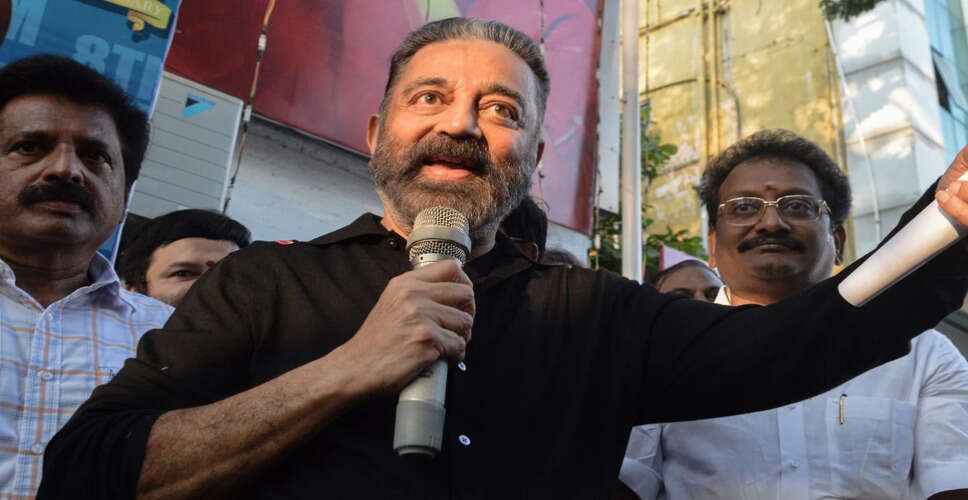
Court's Warning to Kamal Haasan
The Karnataka High Court expressed its disapproval on Tuesday towards actor and politician Kamal Haasan for refusing to apologize for his statement suggesting that Kannada originated from Tamil.
The court was addressing a petition regarding security requests for the release of Haasan's film, 'Thug Life,' in the state. The filmmakers informed the court that the movie would not be released in Karnataka on June 5, the scheduled date for its nationwide debut, prompting the court to postpone the hearing until June 10.
In light of widespread protests following Haasan's remarks and a boycott call from the Karnataka Film Chamber of Commerce (KFCC), his production company, Rajkamal Films International, sought adequate security for the film's release. The KFCC has also demanded an apology from Haasan.
Justice Nagaprasanna remarked that a simple apology from Haasan could have resolved the issue, emphasizing that freedom of expression should not infringe upon the sentiments of the public. He noted that the actor's recent comments had hurt the feelings of the people of Karnataka.
The court highlighted the emotional and cultural identity of the people, asserting that no individual has the right to make statements that undermine the pride of an entire linguistic community.
Justice Nagaprasanna questioned Haasan, asking if he considered himself a historian or linguist to make such claims, reiterating that a mere apology could have alleviated the situation.