
Karnataka Government to Introduce Adolescent Education in Schools
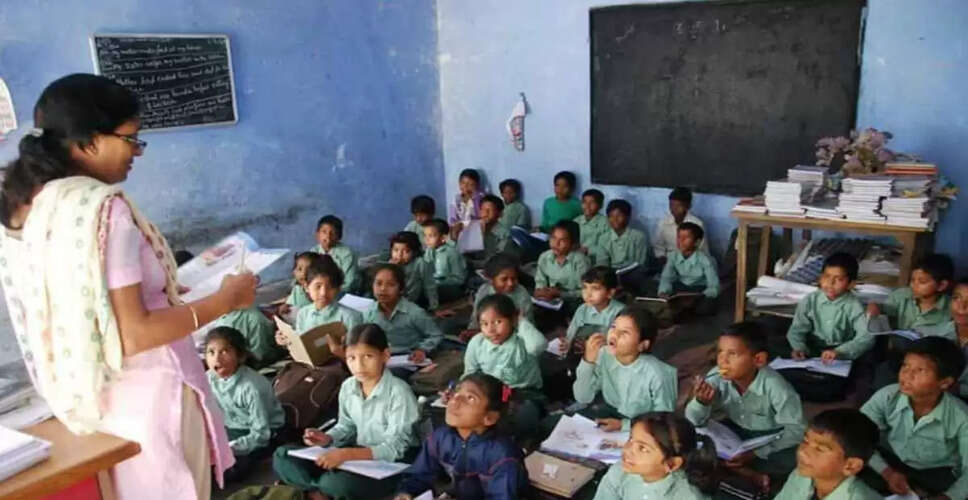
Introduction of Adolescent Education
The Karnataka state government is set to implement a new program focused on adolescent education in schools, aiming to begin this initiative within the current year. To avoid controversy, the program is being referred to as adolescent education. Minister for School Education and Literacy, Madhu Bangarappa, announced this initiative during the Legislative Council session in Belagavi in December 2024, and has tasked the department with preparing to introduce this curriculum for students in grades 8 through 12.
Curriculum Development and Implementation
Dr. Trilokchandra K V, Commissioner of the Department of School Education, confirmed that the curriculum is currently being developed by the Department of School Education Research and Training (DSERT). To mitigate potential backlash, the department has opted to label the program as adolescent education, integrating it into moral science education. DSERT is working on creating an age-appropriate curriculum.
The proposed plan includes the use of independent textbooks for teaching adolescent education. Once finalized, the curriculum will be sent to the District Institutes of Education & Training (DIETs) for teacher training on effective delivery. Officials have noted a reluctance among some educators to teach sex education.
Addressing Stigmas and Historical Context
A senior official involved in the drafting committee emphasized the need to change the stigma surrounding sex education among teachers and parents. The officials acknowledged that adolescent education is one of the subjects that should be included in the curriculum as per the 80 values set by the central government. Despite recommendations from various organizations advocating for early sexual education, previous governments have struggled to implement such programs due to opposition from parents, educators, and various community leaders.
In 2007, the Kumaraswamy government attempted to introduce sex education for grades 8 to 12, but the initiative was abandoned following significant criticism. A similar effort was made during the previous BJP administration, but it also failed to materialize after initial discussions.
Support from Education Advocates
Currently, Minister Madhu Bangarappa is optimistic about successfully implementing this initiative. D Shashi Kumar, General Secretary of the Associated Management of Primary and Secondary Schools in Karnataka, expressed support for the move, stating that it is crucial to educate children about sexuality given their early exposure to various influences. He noted that when the term 'sex education' is mentioned, it often triggers resistance from parents and others, highlighting the need for a shift in perception through education.
Kumar pointed out that children are reaching puberty as early as grades 4 and 5, necessitating education on body hygiene and the changes they experience. This falls under the broader umbrella of sex education.
The Importance of Sexuality Education
The minister indicated that these classes would help children navigate the physical, mental, and emotional changes associated with puberty. Vasudeva Sharma, Executive Director of the Child Rights Trust, emphasized the importance of using the term 'sexuality' instead of 'sex education' to reduce stigma. He noted that what was once termed infatuation has evolved into adolescent sexual behavior, which is a natural part of development.
Sharma highlighted that children are increasingly exposed to sexual behaviors through various media and social environments, making education essential. He argued that understanding their own bodies and respecting others' bodies is crucial for safeguarding themselves.
Preventing Adverse Outcomes
Sharma also pointed out the rising rates of teenage pregnancies and stressed that proper sexuality education could help prevent such occurrences. He suggested that with appropriate education at the right age, issues like child marriage and early pregnancies could be mitigated.
Child rights activist Nagasimha G Rao remarked that the lack of reliable information on sex has left children confused. He expressed concern that many parents may oppose this initiative, especially given the increasing exposure of children to inappropriate content online.
According to Rao, the UNCRC's Optional Protocol 2 obligates the government to protect children from harmful content and provide accurate information about sexual health. He advocated for a progressive sex education program that prioritizes children's best interests, recommending the inclusion of the POCSO Act in the curriculum.