
Karnataka Cabinet Approves Increased Housing Reservation for Muslim Community
The Karnataka Cabinet has taken a significant step by approving a proposal to increase housing reservations for the Muslim community from 10% to 15%. This decision aims to address the issue of vacant housing units across urban and rural areas, particularly in cities like Mandya and Bengaluru. Housing Minister Zameer Ahmed Khan and other officials emphasized the need for this increase, citing long-standing requests from minorities. The move aligns with the central government's existing policies and aims to enhance community-specific welfare initiatives. This article delves into the implications of this decision and the ongoing challenges in housing allocation.
| Jun 19, 2025, 15:52 IST
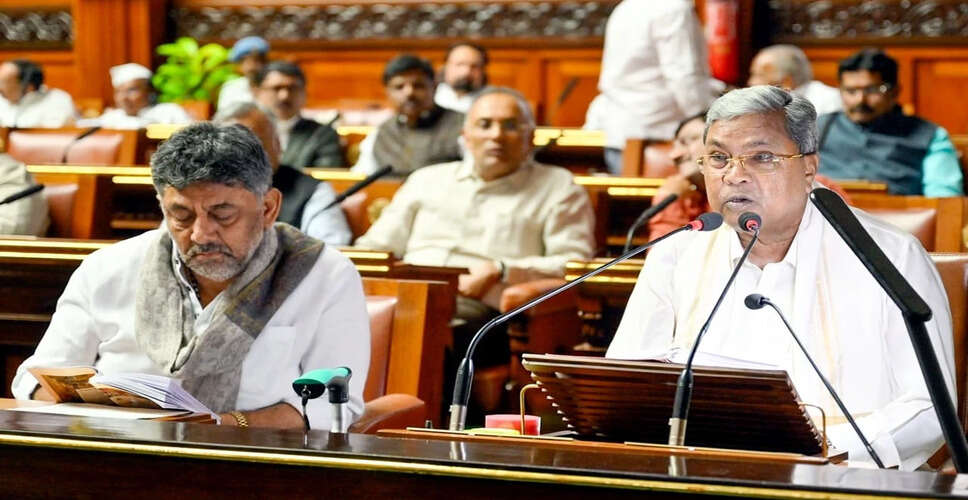
Karnataka's Housing Reservation Initiative
The Karnataka Cabinet has approved a proposal to enhance housing reservations for the Muslim community under its housing schemes. This initiative will be applicable to all housing programs implemented by the urban and rural development departments across the state. Housing Minister Zameer Ahmed Khan endorsed the proposal, which aims to raise the reservation for minority communities from the current 10 percent to 15 percent. D.K. Shivakumar defended this move, emphasizing the need to align with population demographics, noting the significant urban population that includes many minorities and impoverished individuals. He pointed out that numerous minorities reside in urban areas.
Addressing Housing Shortages
There are many vacant housing units that cannot be allocated to others. Therefore, the request to increase the reservation from 10 to 15 percent was made. He highlighted cities like Mandya, where entire towers built under housing schemes remain unoccupied. In Mandya, for instance, there are 7-9 towers that no one has moved into. At least minorities are willing to occupy these buildings. Similarly, many homes in Bengaluru are also unoccupied. The question arises: who can we allocate these homes to? This is a significant issue. We have constructed houses, yet no one is willing to live in them. He also mentioned that minorities have been requesting this increase for a long time, having proposed it over the past seven years, and now we have agreed.
Support from Other Ministers
Minister M.C. Sudhakar supported this decision, stating that the central government already allocates 15 percent for minorities, and Karnataka is aligning with this standard. He noted that this allocation pertains to housing for minorities. The central government has set a 15 percent quota, and we have matched this increase. This decision follows the government's proposal to enhance the quota for Muslims in contract allocations, indicating a broader effort to promote community-specific welfare initiatives.