
Karbi Anglong Ginger Eyes European Market via Slovenia

Exploring New Markets for Karbi Anglong Ginger
A file image of first 1.2 metric ton Shipment of GI- tagged Karbi Anglong Ginger form Assam to London (Photo: 'X')
NEW DELHI, Oct 9: Karbi Anglong is setting its sights on expanding its ginger market beyond traditional Indian borders, with Slovenia emerging as a promising entry point into Europe.
Tomaz Mencin, the Slovenian Ambassador to India, has shown a strong interest in facilitating connections between ginger producers from Karbi Anglong and Slovenia's business sector, aiming to tap into the expansive EU market.
This interest was sparked by Mencin's attendance at the inaugural Ginger Festival in Karbi Anglong on January 8, where he gained insights into the region's agricultural potential and its unique offerings.
“My visit to the ginger festival opened my eyes to the fascinating autonomous region,” Mencin shared during the pre-event for Ginger Festival 2.0 in New Delhi.
The Karbi Anglong Autonomous Council (KAAC) is gearing up to host Ginger Festival 2.0 in Diphu shortly.
Mencin noted the parallels between Slovenia and Karbi Anglong, both being smaller communities striving to develop a modern, sustainable agricultural economy.
Despite Slovenia's modest population of around two million, it provides access to the larger EU market, which could enable Karbi Anglong ginger to reach consumers throughout Europe.
This development is particularly relevant as India and the EU have recently finalized negotiations for a Free Trade Agreement (FTA), which could enhance the market access for Indian agricultural products.
Mencin is actively considering how to link Karbi Anglong and the Northeast with Slovenia's business community, suggesting that Slovenia could act as a conduit for products entering the European market.
This initiative aligns with KAAC's goal of elevating ginger from a traditional cash crop to a globally recognized agricultural brand.
Ritesh Enghi, an executive member responsible for tourism at KAAC, mentioned that the council is in Delhi to engage with embassies, investors, and government agencies to explore international opportunities for Karbi Anglong ginger.
“There’s a compelling narrative connecting this ginger to the Karbi tribe, and we aim to establish its global brand,” Enghi stated.
He highlighted the success of the first Ginger Festival and noted that the council is collaborating with Assam government departments to advance the ginger market, while also discussing potential international markets with various agencies.
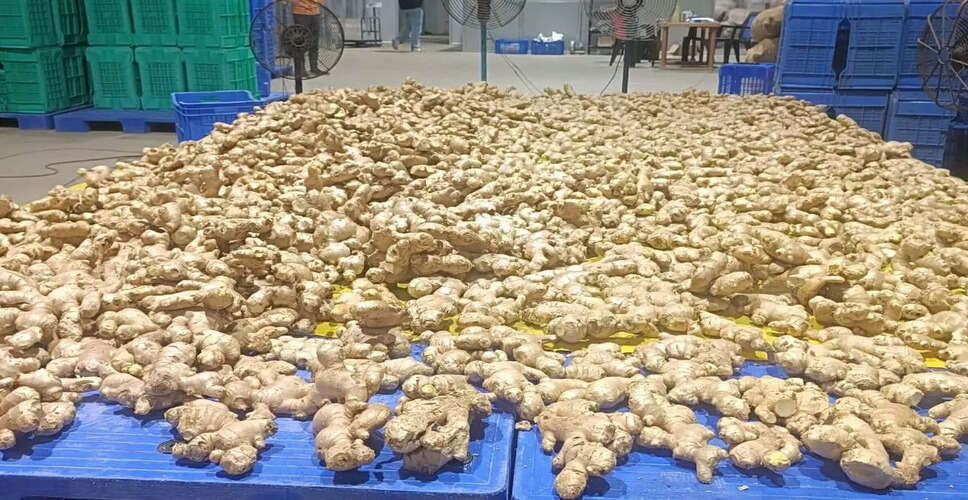
Karbi Anglong ginger is celebrated for its aromatic and flavorful qualities, characterized by a strong aroma, unique earthy taste, and medicinal benefits. It is primarily cultivated in the Singhasan Hills using traditional jhum and tila farming methods.
The district produces over 30,000 tonnes of ginger each year, supporting around 10,000 farmers, making it a vital source of income and a potential export product.
“For Karbi Anglong, establishing a connection with Slovenia could pave the way into European distribution channels, while also creating opportunities for value-added products like processed ginger, spices, and beverages,” an official familiar with the situation remarked.
With the EU's vast consumer market, the India-EU trade framework, and Slovenia's strategic position within the European single market, Karbi Anglong is now assessing the potential for its traditional ginger to become a global commodity, with Europe as a significant target market.
Enghi emphasized KAAC's plans to broaden its market reach to foreign nations, including Slovenia, stating, “We need to explore the global ginger market. We are in discussions with various agencies and central government departments, and we have plans to expand our market internationally, particularly with countries like Slovenia.”