
Karachi Faces Severe Water Crisis Amid Eid al-Adha Celebrations
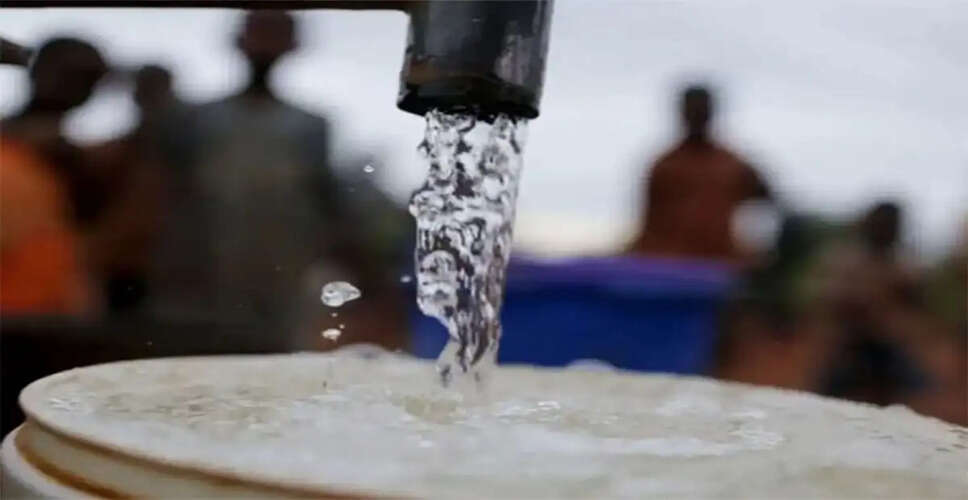

Water Shortage in Karachi During Eid al-Adha
As Eid al-Adha approaches, millions of residents in Karachi, Pakistan's financial hub, are grappling with an escalating water crisis that has now extended into its second month. This situation has exposed significant flaws in the city's infrastructure and intensified public dissatisfaction with deteriorating urban services. According to reports, prolonged supply disruptions have forced many areas of the metropolis to rely on costly private water tankers, particularly during this festive period when the demand for water for religious rituals, sanitation, and livestock care traditionally surges.
Causes of the Water Crisis
The crisis, which began at the end of March, has worsened due to frequent power outages, damaged transmission lines, underground leaks, and operational failures at key pumping stations associated with the Karachi Water and Sewerage Corporation (KWSB). Reports indicate that residents in densely populated districts such as Lyari, Orangi, Korangi, and Malir have been facing dry taps for weeks, with waiting times for tankers extending up to 10 days. Meanwhile, the prices for private water tankers have doubled in several areas, placing additional strain on low-income families already struggling with inflation and rising utility costs.
Official Responses and Public Discontent
Ahmed Ali, the CEO of KWSB, stated that efforts are underway to maintain normal supply during Eid, attributing many disruptions to failures by K-Electric. However, residents in Clifton, DHA, Gulshan-e-Iqbal, and North Nazimabad have reported severe shortages despite official reassurances, highlighting the growing disconnect between civic administration and public experience.
Political Repercussions of the Water Shortage
The water scarcity has also sparked political criticism within the Sindh Assembly and Karachi Metropolitan Corporation, where opposition parties have accused provincial authorities of failing to modernize the city's aging infrastructure despite repeated crises. Currently, Karachi receives approximately 650 million gallons of water daily, while the estimated demand exceeds 1,250 million gallons, underscoring the scale of the structural deficit.