
Jharkhand Court Orders Husband to Pay 30 Lakhs in Divorce Case


Divorce Case in Jharkhand
In a recent ruling, a husband in Jharkhand faced significant consequences after seeking a divorce due to his wife's cruelty. The court mandated that he pay a one-time alimony of 30 lakhs to his wife.
Court's Decision
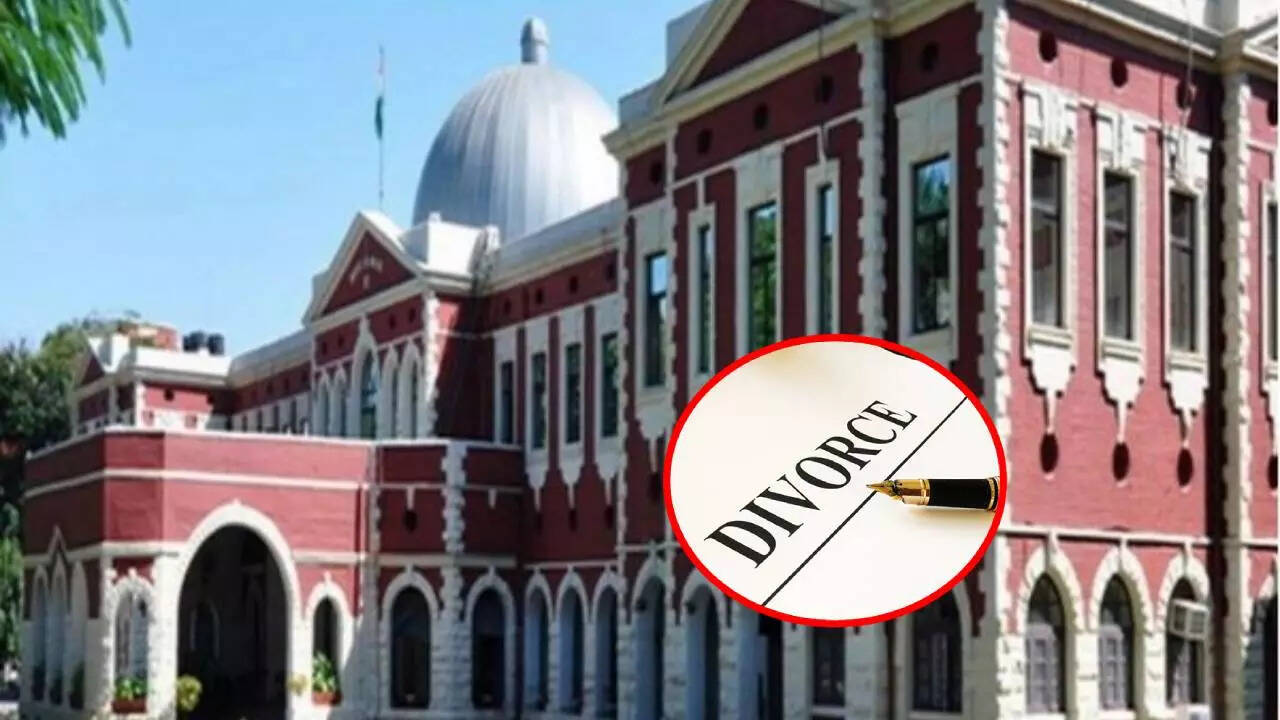
The Jharkhand High Court recently upheld a family court's decision from September 2023, which granted the husband a divorce based on the grounds of cruelty. The judges emphasized that the alimony amount should enable the wife to maintain a lifestyle similar to what she was accustomed to during the marriage.
What the Court Stated
The court highlighted the importance of considering the wife's lifestyle, the conditions of both parties, their needs, the husband's ability to pay, and other responsibilities. Taking all these factors into account, the court deemed the 30 lakh amount appropriate.
Background of the Case
According to reports, the couple married in July 2018 following Hindu customs. The husband expressed concerns about the limited attendance from the wife's family during the wedding, yet he proceeded with the marriage. He alleged that after the wedding, the wife and her family prevented her from returning home for extended periods.
Allegations by the Husband
The husband claimed that when he attempted to bring his wife home, her family insisted that he must live as a 'ghar jamai' and sever ties with his own family. Despite these challenges, he tried to salvage the marriage, and after several discussions, the wife moved in with him in January 2019.
He further alleged that his mother had given jewelry to the wife as per family tradition, but she showed indifference towards her in-laws and refused to take on household responsibilities. The husband described her as having a volatile temperament, often leading to disputes over trivial matters. He also noted that she distanced herself from him and avoided physical intimacy, later discovering that she was severely afflicted with leprosy.
Trial Court's Findings
The trial court concluded that the husband successfully proved the allegations of cruelty, granting him the right to divorce. The wife subsequently appealed the decision in the High Court, claiming that the husband had remarried and was seeking a lump sum for alimony.
Husband's Income Discrepancy
In its ruling, the High Court noted that the couple married in 2018, and the husband filed for divorce in 2021, citing cruelty, desertion, and serious illness as grounds. He claimed to have a low income, relying on tutoring for his livelihood. However, the court found discrepancies in his income tax returns, which indicated an annual income ranging from 19 to 32 lakhs.
Court's Rationale for Alimony
The court recognized the husband's stable income while noting that the wife had no means of support and would need to rely on the interest from the lump sum for her living expenses. It also considered future inflation in its calculations.
The court pointed out that the average life expectancy for women in India is around 70 years. Given that the wife is 37, the court calculated the permanent alimony based on the next 33 years, arriving at the figure of 30 lakhs.
Determining Permanent Alimony
The High Court clarified that there is no fixed formula for determining permanent alimony; rather, it considers the social status, needs of both parties, the husband's financial capacity, and other obligations.
Arguments from the Wife's Lawyer
The wife's attorney argued that she wished to remain with her husband, but since he had remarried and was unwilling to support her, the only remaining issue was alimony. He emphasized that the wife had no source of income.
Conversely, the husband's lawyer stated that they did not wish to delve into the merits of the case and that the husband was willing to provide 7500 rupees per month in alimony, which the court deemed insufficient, leading to the order for a one-time payment of 30 lakhs.