
JD Vance's Potential Role in US-Iran Diplomacy Amid Rising Tensions
Shifting Dynamics in US-Iran Relations
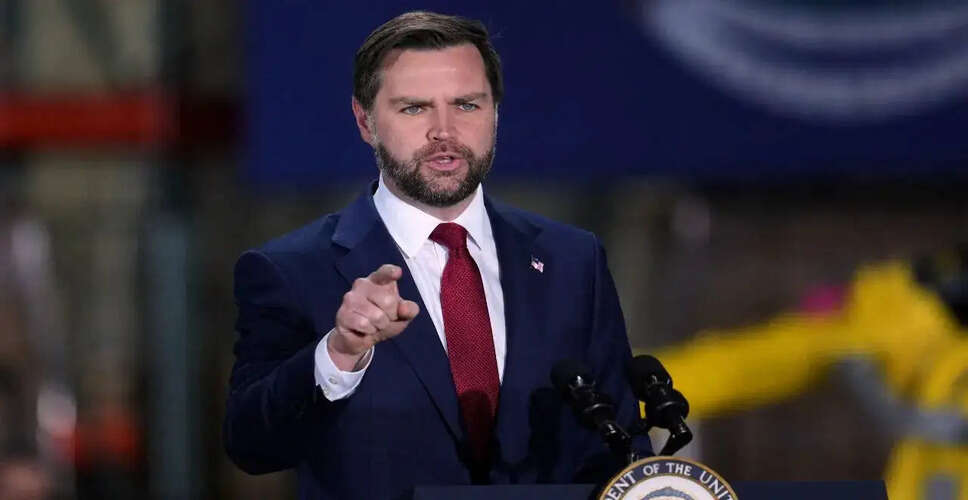
As the conflict between the United States and Iran escalates, a significant change seems to be emerging in Washington's diplomatic strategy: the potential appointment of JD Vance as the primary negotiator. Reports from Gulf sources indicate that Iranian officials have declined to engage with two prominent envoys from Donald Trump's administration, Steve Witkoff and Jared Kushner, accusing them of betrayal. This distrust stems from US military actions against Tehran that occurred shortly after diplomatic discussions in February, which have seemingly damaged the credibility of the American representatives. A Gulf source noted, "Vance is preferred," highlighting that Iranian officials are reluctant to collaborate with Jared and Witkoff due to their perceived treachery. They believe Vance would honor his commitments and view him as a suitable counterpart to Mohammad Bagher Ghalibaf, a significant figure in Tehran's negotiations.
.@POTUS on Iran: "We're in negotiations right now... I can tell you, they'd like to make a deal — and who wouldn't if you were there? Look, their navy's gone, their air force is gone, their communications are gone... pretty much everything they have is gone." pic.twitter.com/PlEpYkGbyA
— Rapid Response 47 (@RapidResponse47) March 24, 2026
JD Vance's Stance on Foreign Interventions
Why JD Vance and What Role Could He Play?
Vance has largely maintained a low profile during the ongoing conflict but is perceived as critical of the administration's military strategy, dubbed "Operation Epic Fury." His potential role as chief negotiator, with discussions possibly occurring in Islamabad, signals a desire from the White House to reduce tensions and mitigate economic repercussions. Historically, Vance has opposed US involvement in foreign conflicts. During a rally in Michigan in 2024, he condemned US military engagements abroad and criticized then-Vice President Kamala Harris for sending American youth to fight in unnecessary wars. He stated, "We gotta stop sending our young people to faraway lands. We are not the policemen of the world. We need to use our young people here at home… and not send them all over the world." Even after the US and Israel conducted strikes on Iran on February 28, Vance reiterated his skepticism towards foreign military interventions in an interview.
Negotiation Efforts and Diplomatic Landscape
Meanwhile, Shehbaz Sharif has expressed Pakistan's readiness to facilitate negotiations, although the location has yet to be officially confirmed. In a statement from the Oval Office, Trump mentioned that Vance is among several officials engaged in discussions, alongside Secretary of State Marco Rubio, Witkoff, and Kushner. Trump has conveyed optimism regarding the negotiations, emphasizing that Iran must not develop nuclear capabilities. He stated, "And remember, it all starts with they cannot have a nuclear weapon." However, diplomatic sources indicate that Tehran has grown wary of Washington's intentions following the breakdown of talks in Geneva in February, where US officials dismissed an Iranian proposal as flawed. Shortly thereafter, US strikes on Tehran resulted in the death of Ali Khamenei, significantly altering the conflict's dynamics.
Current Status of Peace Talks
What is the Status of Peace Talks?
Currently, US-Iran negotiations have been indirect, relying on intermediaries from Egypt, Pakistan, and Turkey to convey messages between US representatives and Iran's foreign minister, Abbas Araghchi. Despite these efforts, Iran has denied any direct discussions. Karoline Leavitt stated, "These are sensitive diplomatic discussions and the US will not negotiate through the press." She emphasized that the situation is fluid, and any speculation about meetings should not be considered final until officially announced by the White House.
Implications of US Policy Changes
What's At Stake?
The shift in US policy follows warnings from Gulf allies that targeting civilian infrastructure in Iran could lead to severe escalation. The announcement of potential talks, made just before US trading opened on Monday, resulted in a surge on Wall Street and a drop in Brent crude prices, alleviating concerns for Trump and his advisors. Negotiation efforts involve Pakistan, Turkey, Egypt, and Oman, with sources indicating that these diplomatic initiatives aim to establish a ceasefire and ensure safe passage for vessels through the Strait of Hormuz. Pakistan is reportedly developing a proposal for mediation, while Oman has facilitated communication between the US and Iran regarding the Strait. Egypt is also actively engaged in diplomatic efforts.