
Jamia Millia Islamia Suspends Professor Over Controversial Exam Question
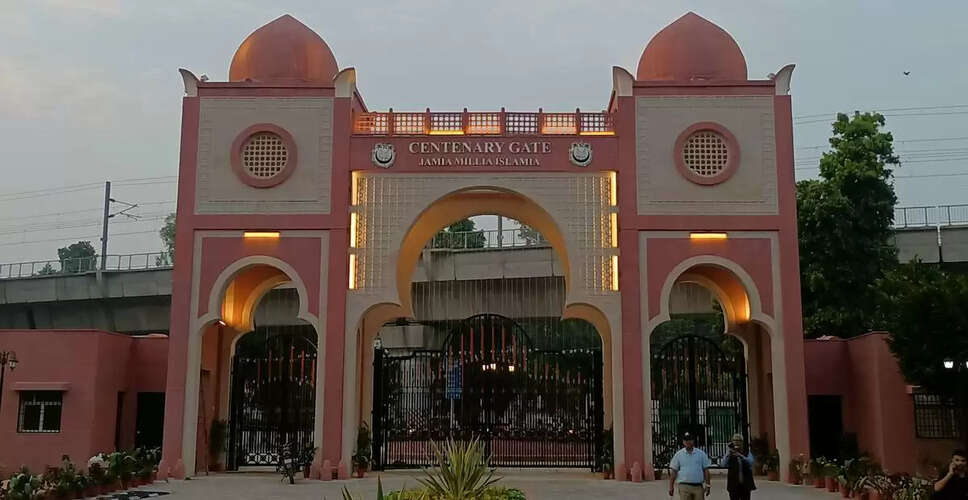
Suspension of Professor at Jamia Millia Islamia
On Tuesday, Jamia Millia Islamia university took the decision to suspend a professor from its Social Work Department following complaints regarding a question in an undergraduate exam that addressed "atrocities against Muslim minorities in India." This incident was reported by a local news outlet.
The university announced plans to request the police to file a first information report against Virendra Balaji Shahare, the professor responsible for the exam question.
The contentious question, which was part of the Social Problems in India paper, asked students to "Discuss the atrocities against Muslim minorities in India giving suitable examples." This question was posed to first-semester students enrolled in the Bachelor of Arts (Honours) Social Work program during an exam conducted on Sunday.
In an official statement released on Tuesday, the registrar's office indicated that it had received multiple complaints regarding the exam's content, labeling the question as a significant oversight by Shahare.
According to the statement, the university's competent authority expressed serious concerns about the negligence displayed by Professor Shahare. An inquiry committee has been established to review the question paper's content, and the professor is required to remain in Delhi throughout his suspension.
The Delhi University Teachers’ Association criticized the question for promoting a "one-sided" perspective, calling it a serious issue and urging the University Grants Commission and the Ministry of Education to take action.
Conversely, a student organization at the university, The Fraternity Movement, has called for the revocation of Shahare’s suspension, arguing that he merely raised important questions regarding the challenges faced by the Muslim minority in India. They contended that the university's decision reflects a preference for punishment over the principle of academic freedom.
“If a university historically recognized for its Muslim identity and tradition of intellectual resistance cannot facilitate honest discussions about social realities, then who will?” the group questioned.
A request for comment from Shahare went unanswered.