
Jafar Panahi's Latest Film: A Gripping Exploration of Justice and Revenge
A Bold Voice in Iranian Cinema
Jafar Panahi, a prominent figure in Iranian cinema, has consistently resisted attempts by his government to silence him. His defiance has only intensified in response to the increasing restrictions placed upon him.
Known for his critical stance against societal injustices and corruption, Panahi's work has evolved into darker themes, particularly evident in his 2011 film, This Is Not a Film, which he created while under house arrest for opposing the regime during national elections. His subsequent films, often made in secrecy amid periods of incarceration, candidly reflect the mental turmoil of a filmmaker grappling with censorship.
Exploring Complex Themes in 'It Was Just An Accident'
Panahi's newest film, It Was Just An Accident (2025), delves into the complexities that arise when the accused become the accusers. This Oscar-nominated feature is currently available on MUBI.
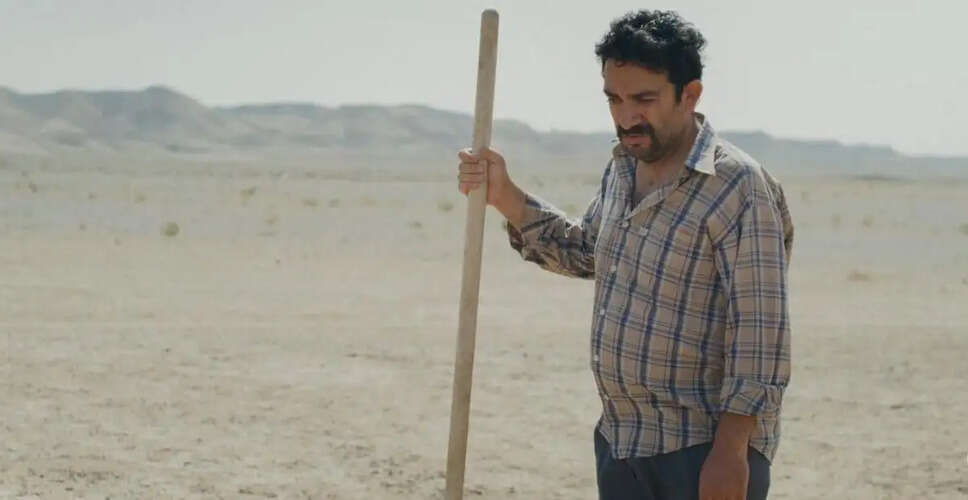
The narrative unfolds after a highway incident involving a man with a prosthetic leg, a mechanic, a photographer, and a couple engaged to be married. Vahid (played by Vahid Mobasseri) initially believes that Eghbal (Ebrahim Azizi) is the individual who tortured him during his imprisonment.
In a twist, Vahid kidnaps Eghbal and confronts other former prisoners – Shiva (Mariam Afshari), her ex-partner Hamid (Mohammad Ali Elyasmehr), and Goli (Hadis Pakbaten), who is set to marry Ali (Majid Panahi). None of them have seen Eghbal during their time in prison; they only recognize him by his voice and the sound of his prosthetic leg.
A Moral Dilemma Unfolds
The film draws inspiration from Death and the Maiden, presenting a moral quandary wrapped in a thriller format. The discussions surrounding Eghbal's fate reveal the profound suffering endured by his captors in their fight against oppression. A heated exchange between Goli and Hamid highlights the socio-economic disparities among the kidnappers.
Their conflict is not solely about Eghbal; it also serves as a commentary on the treatment of political prisoners. Despite having turned the tables on their oppressor, they grapple with the moral implications of their newfound power.
A Raw and Powerful Narrative
Panahi's latest work is a visceral expression of anger, filled with tension and suspense. While it poses critical questions about the atrocities faced by the Iranian populace, it also incorporates elements of absurdist humor.
The film, running for 104 minutes, transcends a mere confrontation with authoritarianism, raising complex issues surrounding revenge, justice, and forgiveness. Although a subplot involving Eghbal's pregnant wife momentarily distracts from the main narrative, the film ultimately delivers a poignant conclusion.
It Was Just An Accident may lack the polish of Panahi's previous film, No Bears (2022), which featured him as a director contemplating the possibility of fleeing Iran. The outcome of his decision to remain is evident in this latest film, which at times feels disjointed, hinting at the long-term effects of oppression. In a climate where voices are stifled, only chaotic cries can emerge.