
ISRO's PSLV Mission Faces Setback but Key Data Successfully Retrieved
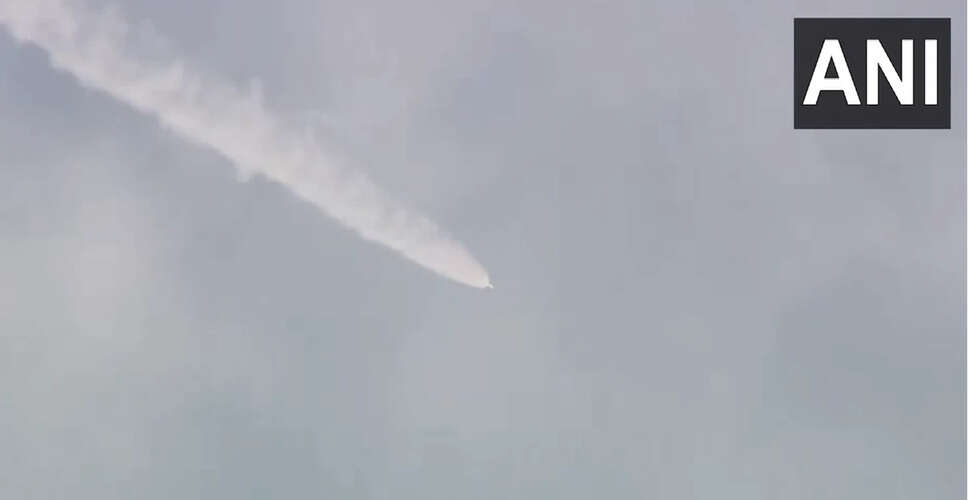
ISRO's PSLV Mission Update
The PSLV rocket mission by ISRO encountered a technical failure on Monday, leading to its unsuccessful launch. However, on Tuesday, a positive development emerged. The small space capsule from a private Spanish company involved in the mission was confirmed to have safely transmitted signals back to Earth. Notably, despite the rocket's failure, the capsule managed to send flight data for approximately 190 seconds, which is unusual in such scenarios where devices typically do not relay any data. This capsule was designed to test re-entry into the Earth's atmosphere.
Missing Satellites from the Mission
The PSLV C62 rocket took off from Sriharikota at 10:18 AM on Monday, carrying a total of 15 satellites, including India's Anvesha satellite and a capsule from Spain. Unfortunately, a malfunction in the rocket's third stage resulted in the loss of these satellites.
Details on the Lost Satellites
Among the satellites that were lost was the Anvesha satellite developed by DRDO, which was intended to reveal military camouflage from a distance of about 500 kilometers. Additionally, the mission included India's first in-orbit refueling satellite, Ayulsat, and a small satellite designed for emergency communication and disaster management, developed by students. A joint Earth observation satellite was also constructed by Thailand and the UK. A previous attempt in May 2025 (PSLV-C61-EOS-09) had also failed due to a 'motor pressure issue' that caused a drop in chamber pressure. A former senior scientist from ISRO indicated that the agency would need time to collect and analyze data, understand the incident, and implement necessary improvements. It is anticipated that ISRO will officially release conclusions in the coming days.