
Israel's Diplomatic Stance on Pakistan Amid Iran Conflict
Israel's Trust Issues with Pakistan
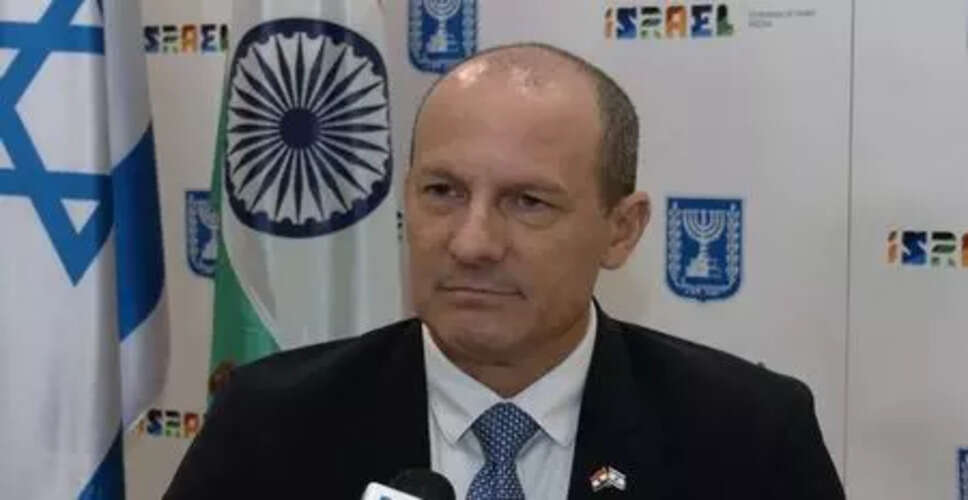
In a recent statement, Israeli Ambassador to India, Reuven Azar, expressed that Israel does not have confidence in nations with which it lacks formal diplomatic ties. This comment was made in light of inquiries regarding Israel's trust in Pakistan amidst the ongoing tensions related to Iran.
Azar highlighted that Israel's decisions are based on its own evaluations and those of its key allies.
"We cannot place our trust in a country that does not maintain diplomatic relations with us. Our confidence lies in our own judgment and that of the President of the United States," the ambassador stated.
His comments follow reports indicating that Pakistan has been in discussions with the US regarding the West Asia conflict and has proposed to facilitate peace talks involving nations affected by the situation.
Despite its ongoing issues with Kabul, Islamabad has positioned itself as a potential mediator, leveraging its connections with both Washington and Tehran, even as it continues to face criticism for its actions in Afghanistan.
When questioned about the US's potential investments in Pakistan's Balochistan province and its implications for India-Israel relations, Azar remarked that this matter does not directly involve Israel, while reaffirming the strong partnership with New Delhi.
"This is not something we are connected to. Our cooperation with India is extensive. Thanks to Prime Minister Modi's visit, we have made significant progress and signed numerous agreements in various sectors, including defense," he explained.
"We are set to significantly enhance our defense industrial collaboration and government-to-government relations to develop technological solutions that effectively combat terrorism," he added.
During Prime Minister Narendra Modi's visit to Israel in February, both countries upgraded their bilateral relations to a special strategic partnership, culminating in the signing of over 16 agreements across fields such as Artificial Intelligence, cybersecurity, defense, agriculture, and space.
Both nations reiterated their commitment to bolstering the global fight against terrorism and expressed support for peace initiatives in Gaza.
Historically, Israel has provided strong diplomatic support to India following terrorist attacks. After the tragic Pahalgam incident in Jammu and Kashmir, where 26 tourists lost their lives due to Pakistan-backed terrorists, Israel was among the first to express solidarity and affirm India's right to self-defense.
Israeli Prime Minister Benjamin Netanyahu personally reached out to Prime Minister Modi to condemn the attack, drawing parallels with the October 7 attacks in Israel, and emphasized that terrorism should not find refuge anywhere.
In response to the attack, India initiated Operation Sindoor, targeting terrorist infrastructure in Pakistan and Pakistan-occupied Kashmir.
Azar also conveyed on social media that Israel stands by India's right to self-defense, asserting that "terrorists should understand there is no sanctuary for their heinous acts."
Netanyahu was one of the first global leaders to openly support India's response, reiterating that every nation has the inherent right to safeguard its citizens from cross-border threats.