
Israeli Leaders Express Concerns Over US-Iran Peace Agreement

Backlash Against the Proposed Peace Deal
The proposed peace agreement between the US and Iran is encountering significant opposition in Israel. Politicians, former security experts, and military analysts are raising doubts about whether the deal effectively addresses the threats that led to two major military operations against Iran in the past year. Criticism intensified after details of a framework surfaced, suggesting that Iran would reopen the Strait of Hormuz, the US would lift its blockade on Iranian ports, and both nations would engage in new negotiations primarily focused on Iran's nuclear ambitions. This arrangement would also prolong the existing ceasefire and establish a 60-day diplomatic period for broader discussions. However, many Israelis feel that the emerging agreement does not align with the strategic goals consistently emphasized by Prime Minister Benjamin Netanyahu and Israel's security leadership since the onset of the Iran conflict. This sentiment was notably captured by the prominent Israeli newspaper Yediot Aharonot, which characterized the public sentiment with the phrase: "Bad Deal." It is particularly striking that Israel, a key military player in the conflict, was reportedly not directly involved in the final negotiations that led to the ceasefire framework.
Unresolved Objectives of Israel's War
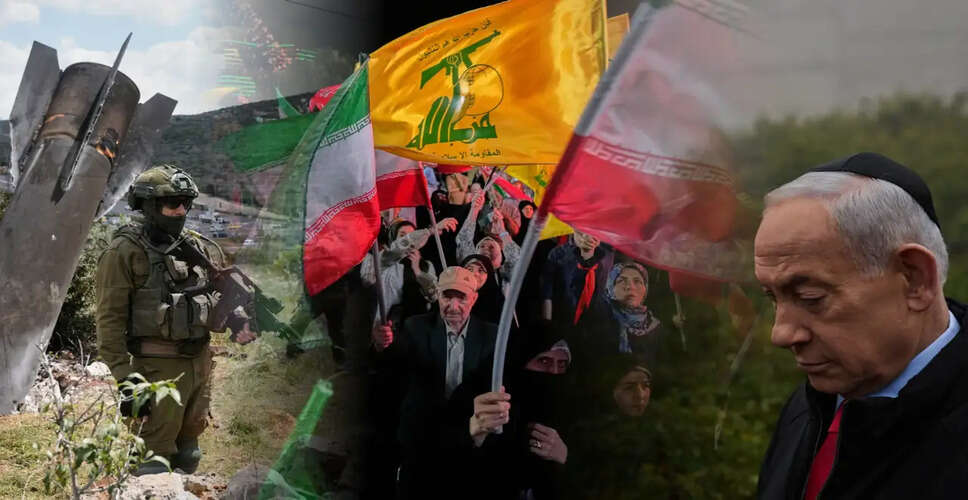
At the beginning of the conflict, Netanyahu articulated Israel's goal as the elimination of what he termed the "existential threats" posed by Iran. This vision encompassed more than just curbing Tehran's nuclear program. Israeli officials have consistently maintained that any enduring resolution must tackle Iran's ballistic missile capabilities, its backing of regional proxy groups, and its extensive military influence throughout the Middle East. Israel also aimed to disrupt the strategic connections between Tehran and groups like Hezbollah in Lebanon, Hamas in Gaza, and the Houthi movement in Yemen. Many of these critical issues seem to be either overlooked or only vaguely mentioned in the publicly available details of the agreement, raising alarms among several former Israeli security officials. Jacob Nagel, a former acting national security adviser to Netanyahu, cautioned that while future discussions may cover a variety of topics, essential Israeli concerns do not seem to be prioritized in the current framework. He pointed out that issues related to Iran's missile program and its support for proxy organizations remain largely unaddressed. These concerns are particularly crucial given that Israel's military operations in Lebanon are closely tied to its broader conflict with Iran, which has reportedly insisted that any comprehensive ceasefire must also encompass the Lebanese front.
Political Opposition Voices Diplomatic Concerns
The criticism of the agreement spans across various political ideologies. Opposition figures from both the center and right have voiced apprehensions that the deal could weaken Israel's strategic standing. Former defense minister Avigdor Liberman labeled the reports of the framework as a "catastrophe" for Israel. Meanwhile, opposition leader Yair Lapid contended that if the reported terms are accurate, they would signify one of the most significant failures in Israeli foreign and security policy in recent years. Current members of Netanyahu's administration have largely refrained from openly criticizing Trump or the United States, likely due to the political sensitivity surrounding the close ties between the Israeli prime minister and the American president. Netanyahu has primarily focused on the nuclear weapons issue, reiterating that Iran must not be permitted to acquire nuclear capabilities, emphasizing his alignment with Trump on this matter. Notably, his statements have not addressed Iran's missile program or its proxy forces.