
Israeli Air Strikes Cause Devastation in Tehran's Fuel Infrastructure
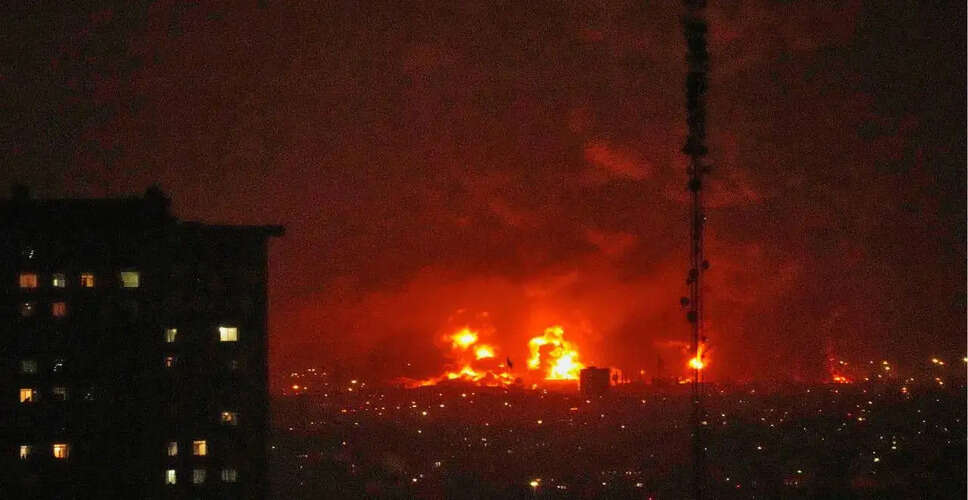
Explosions Rock Tehran
Overnight, Tehran was shaken by significant explosions as Israeli air strikes targeted fuel facilities throughout the city, igniting fires and sending thick smoke billowing into the atmosphere. Eyewitness accounts from the Shahran Boulevard area revealed that explosions severely damaged gasoline pipelines near the Shahran Oil Depot. The strikes resulted in fuel leaks that ignited, leading to flames spreading along adjacent roads. Videos captured by residents depicted a scene reminiscent of a 'river of fire' coursing through the streets. These attacks were part of a broader offensive against energy infrastructure in Tehran and its surroundings. Iranian authorities reported that at least five oil facilities were struck, including four storage depots and a transport center for petroleum products. Enormous fireballs and towering smoke clouds were visible from various districts and even neighboring regions like Karaj, as evidenced by circulating reports and footage.
UP IN FLAMES: A massive fire was still raging early Sunday morning in Tehran after Israeli strikes hit major oil facilities in the Iranian capital. pic.twitter.com/HsiFMfdX26
— Fox News (@FoxNews) March 8, 2026
According to the head of the National Iranian Oil Products Distribution Company, the strikes resulted in the deaths of at least four individuals, including two tanker drivers. Emergency responders worked tirelessly throughout the night to contain the fires, which continued to burn at some of the affected tanks. Although officials managed to bring the fires under control, fuel distribution in certain areas of the capital faced temporary disruptions as damage assessments were conducted. The Israel Defense Forces confirmed their aircraft targeted fuel storage sites in Tehran, asserting that these locations were aimed at preventing military use by Iran. Residents reported that smoke from the burning fuel lingered over the city into the next morning, creating a dark haze and a strong fuel odor.
Escalating Tensions in the Region
Latest Developments in the Iran 'War'
Israel has issued a stern warning via a Farsi-language social media account directed at members of Iran's Assembly of Experts, which is anticipated to select a successor to the late Ali Khamenei. The message stated, "This is a warning. We caution all those planning to participate in the successor selection meeting that we will not hesitate to target you. This is a warning!" Iranian state media reported that the Assembly has reached a decision regarding a successor, although no name has been disclosed yet. These recent strikes are part of an escalating conflict that began on February 28, when the United States and Israel executed coordinated air and missile assaults on Iran, resulting in the deaths of Khamenei and several high-ranking military officials. Since then, Israel claims to have conducted approximately 3,400 strikes within Iran. The overnight attacks also inflicted damage on 16 military aircraft stationed at Mehrabad International Airport.
Gasoline pipelines exploding on Shahran Boulevard in Tehran after Israeli strikes hit fuel infrastructure. pic.twitter.com/AzH1dFFBTF
— Fast News Network (@fastnewsnet) March 8, 2026
Iran's Islamic Revolutionary Guard Corps has vowed to persist in its fight. Spokesman Ali Mohammad Naini stated that Iran has thus far utilized only first- and second-generation missiles. He asserted, "The Armed Forces of the Islamic Republic of Iran are capable of sustaining at least a six-month intense war at the current operational pace," as reported by Fars News Agency.
Middle East Gets Embroiled
The conflict has extended throughout the region. In Beirut, Israeli strikes targeting Hezbollah positions and central city areas have resulted in at least four fatalities from a hotel attack, with a total of 294 casualties reported over the past week. In the Gulf, Riyadh authorities reported intercepting drones aimed at the diplomatic quarter, while Kuwait and Bahrain experienced Iranian drone strikes on fuel tanks and a desalination facility. Shipping concerns have also impacted energy supplies, with Kuwait implementing precautionary reductions in crude oil production due to threats in the Strait of Hormuz. Iran's health ministry has reported that at least 1,200 civilians have died and around 10,000 have been injured since the onset of the conflict.