
Israel Threatens Legal Action Against The New York Times Over Allegations of Abuse

Israel's Response to Allegations
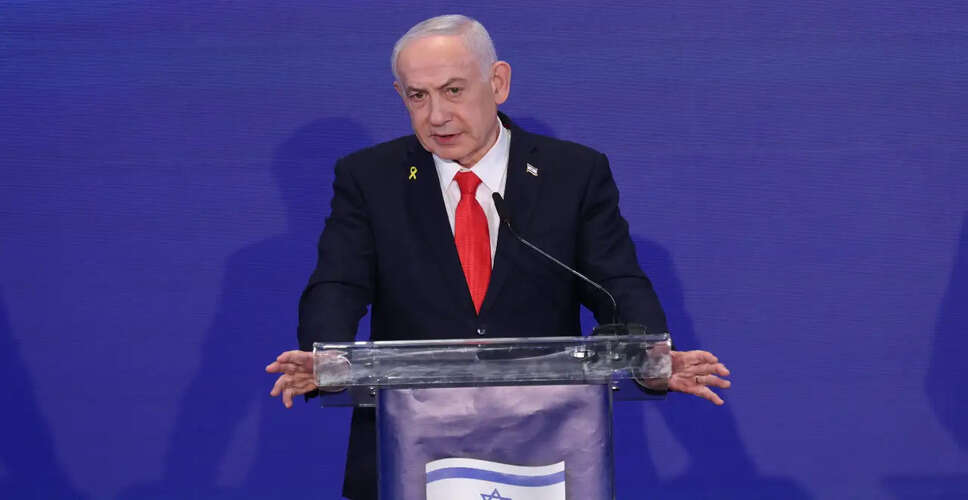
Israeli Prime Minister Benjamin Netanyahu, along with Foreign Minister Gideon Sa'ar, has announced intentions to pursue legal action against The New York Times following an opinion piece by columnist Nicholas Kristof. This essay discusses serious allegations regarding the sexual abuse of Palestinian detainees held by Israeli authorities. In a statement from Israel’s foreign ministry, Netanyahu and Sa'ar directed officials to prepare a defamation lawsuit against the publication, labeling Kristof’s article as 'one of the most hideous and distorted lies ever published against the State of Israel in the modern press.'
Netanyahu further accused the newspaper of defaming Israeli soldiers and perpetuating harmful myths regarding rape. 'We will combat these falsehoods in both public opinion and legal arenas. The truth will emerge victorious,' he stated, as reported by various sources.
Kristof’s piece, released on Monday, highlighted testimonies from Palestinian individuals—men, women, and children—who alleged they faced rape, sexual assault, and mistreatment at the hands of Israeli prison guards, soldiers, settlers, and interrogators. The columnist mentioned that he spoke with 14 victims and sought to validate their claims through interviews with witnesses, lawyers, humanitarian workers, human rights organizations, and independent investigations.
While the article acknowledged that there was 'no evidence that Israeli leaders order rapes,' it also included denials from Israeli officials regarding the allegations.
Response from The New York Times
The New York Times has robustly defended Kristof’s reporting, dismissing Israel’s claims as unfounded. Spokesperson Danielle Rhoades Ha remarked, 'This threat is part of a familiar political strategy aimed at undermining independent journalism and silencing narratives that diverge from a specific viewpoint.' She emphasized that any legal action would lack merit, asserting that Kristof’s work underwent thorough fact-checking and was corroborated by witness accounts, human rights documentation, surveys, news articles, and, in one instance, testimony from the United Nations.