
Israel and Hezbollah Reach Ceasefire Agreement Amid Ongoing Negotiations
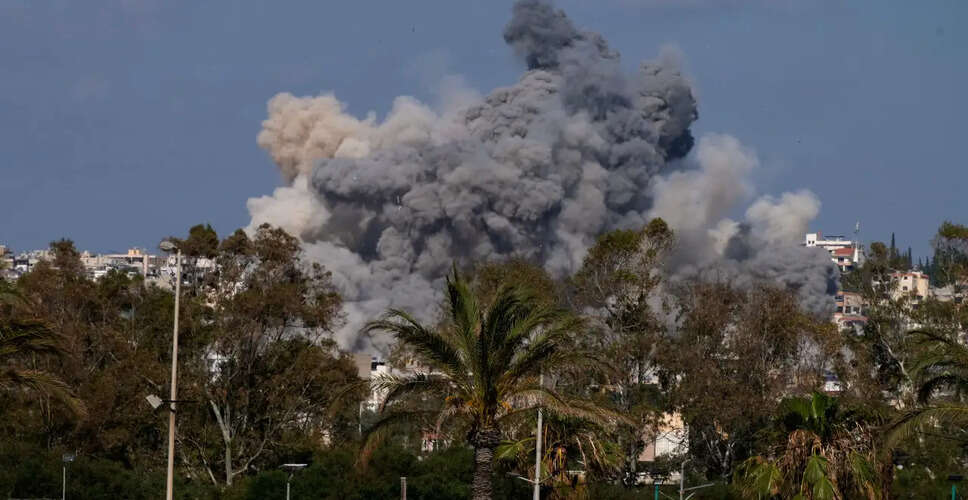

Ceasefire Agreement Announced
Following extensive negotiations led by the United States in Washington, Israel and Hezbollah have come to an agreement on a ceasefire. This decision was announced in a joint statement from the U.S., Israel, and Lebanon after their fourth high-level trilateral meeting held on June 2-3. The ceasefire aims to put an end to the prolonged conflict in Lebanon and sets the stage for further discussions aimed at achieving a more comprehensive peace and security framework between the two nations.
Conditions for Ceasefire
Ceasefire Conditions
The ceasefire is dependent on Hezbollah, which is backed by Iran, completely halting its fire and withdrawing all its operatives from the South Litani Sector. As part of this agreement, both Israel and Lebanon have committed to quickly establishing pilot security zones in southern Lebanon. The Lebanese Armed Forces will take exclusive control of these areas, ensuring that no non-state actors are present. Officials have indicated that these measures are designed to foster conditions conducive to a comprehensive peace and security agreement.
Conflict Background
Background to the Conflict
This ceasefire comes after months of escalating conflict, which intensified following Israel's military operation in Lebanon in March aimed at Hezbollah, which had been conducting cross-border attacks in support of Iran. A previous ceasefire attempt last month did not succeed in stopping the fighting, but the latest negotiations have led to renewed commitments for a lasting truce. Notably, Hezbollah is not involved in the current negotiations between Israel and Lebanon.
Direct Negotiations Planned
Israel, Lebanon to Meet Face-to-Face
Both Israel and Lebanon have expressed that they harbor no animosity towards each other and have agreed to engage in direct negotiations to build trust, resolve outstanding issues, and work towards a comprehensive agreement. The delegations also discussed a security framework aimed at ensuring the sovereignty, security, and territorial integrity of both nations. This framework includes initiatives to dismantle non-state armed groups and prevent their resurgence. Political and security discussions are set to resume during the week of June 22, with the U.S. continuing to facilitate dialogue between the parties.
Emphasis on Sovereignty
Focus on Sovereignty
The joint statement emphasized that the future relationship between Israel and Lebanon should be determined by their respective sovereign governments. All parties rejected any attempts by any state or non-state actor to dictate Lebanon's future. Lebanon reiterated its commitment to internationally recognized borders, territorial integrity, and the full implementation of the cessation of hostilities. The Lebanese government also pledged to enhance the capabilities of the Lebanese Armed Forces, with support from the U.S., to maintain effective control throughout the nation. The United States reaffirmed its commitment to supporting both governments and stressed that any agreement to end hostilities must be reached directly between Israel and Lebanon with U.S. mediation.
Iran's Influence
Iran's Role
The United States, Israel, and Lebanon collectively condemned Iran's actions in the region, particularly its attacks on neighboring countries and activities that they claim destabilize the Middle East. The statement specifically criticized Iran's support for proxy groups and other aggressive actions while reaffirming their opposition to external influences on Lebanon's future. Iran has previously contended that Israeli military actions in Lebanon should be part of a broader regional conflict resolution.
Next Steps
What Comes Next
According to the agreement, the Lebanese Armed Forces will gradually take control of designated pilot zones in southern Lebanon, while Hezbollah fighters will withdraw from areas south of the Litani River. Officials indicated that these actions are intended to create a favorable environment for a broader peace process and a comprehensive agreement that addresses long-term security concerns for both Israel and Lebanon. The next round of political and security discussions is anticipated to commence during the week of June 22.