
Is This Iran's Final Opportunity? Trump Signals Last Chance for Diplomacy

Diplomatic Efforts with Iran: A Critical Moment
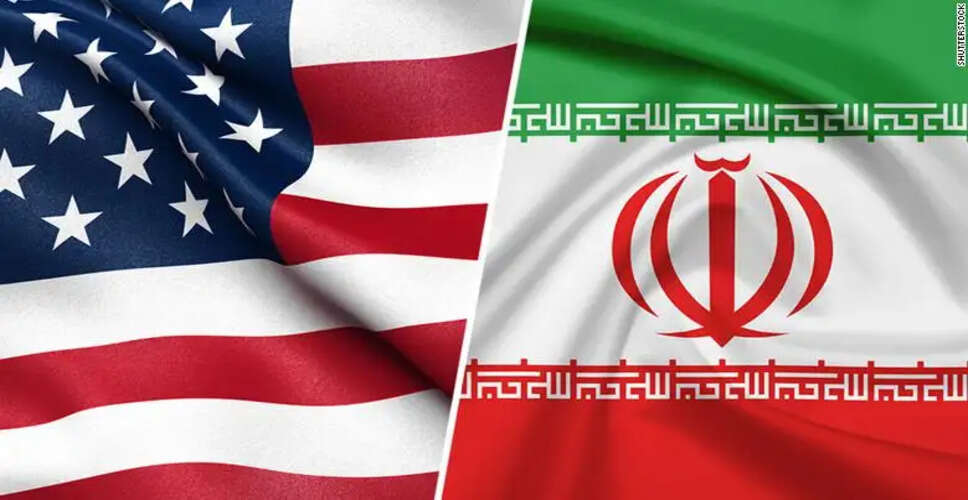
Washington: President Donald Trump has declared that upcoming negotiations with Tehran represent Iran's "last chance" to secure a deal and avert further U.S. military action. Speaking from the Oval Office, Trump expressed optimism that discussions aimed at reopening the Strait of Hormuz and addressing U.S. concerns regarding Iran's nuclear ambitions would commence shortly.
Trump outlined a two-phase approach: the initial phase focuses on reopening the straits, while the subsequent phase will tackle denuclearization, which he acknowledged would take time.
Despite Trump's satisfaction with the U.S. military's recent successes against Iranian leadership and military capabilities, Iran appears to be banking on outlasting Trump, especially as he faces dwindling munitions and an electorate increasingly opposed to war ahead of the midterm elections.
The President revealed that he opted against launching a significant military strike against Iran after receiving counsel from Gulf allies, including Qatar, Saudi Arabia, and the UAE.
Originally, a plan was in place for a major attack, described by Trump as potentially the largest since World War II, but he chose to delay it in favor of diplomatic efforts following discussions with key Gulf leaders, including Saudi Crown Prince Mohammed bin Salman.
However, Trump emphasized that his patience with Iran is wearing thin, stating, "This is the last chance for them to sign a good document."
Earlier in the day, Trump criticized Iran on social media, labeling them as "unbelievably duplicitous" after they claimed their meetings with Oman were solely about establishing a safe navigation route through the vital Strait of Hormuz.
Trump expressed frustration over Iran's claims of not engaging in discussions with the U.S., despite ongoing talks aimed at preventing Iran from developing nuclear weapons.
He has previously threatened to escalate military actions against Iran but has often retreated from those threats, citing a desire to protect Iranian lives.
Critics Question Trump's Strategy
Some critics argue that Trump's indecision reflects a deeper understanding within his administration that military force alone may not compel Iran to capitulate, especially as the conflict drags on.
Senator Mark Kelly, a Democrat from Arizona, remarked on CBS News that Trump's approach appears erratic, suggesting he wishes to revert to earlier conditions.
Throughout the conflict, Trump has shown a tendency to issue severe threats only to back down at the last moment, often attributing progress to his threats.
For instance, a ceasefire was agreed upon shortly before a deadline Trump had set, and he later postponed a military strike due to ongoing negotiations.
Trump's decision to halt military action was notably influenced by a conversation with the Saudi crown prince, who warned that escalating conflict could severely impact the global economy.
While Trump maintains that the upcoming midterm elections do not influence his strategy, polling indicates that a significant portion of the American public views the conflict as unwarranted.
Senator John Kennedy from Louisiana suggested that the administration should reconsider its approach, advocating for tightening sanctions and focusing on Iran's nuclear program rather than escalating military tensions.