
Is the Shroud of Turin Linked to India? New DNA Study Reveals Surprising Findings
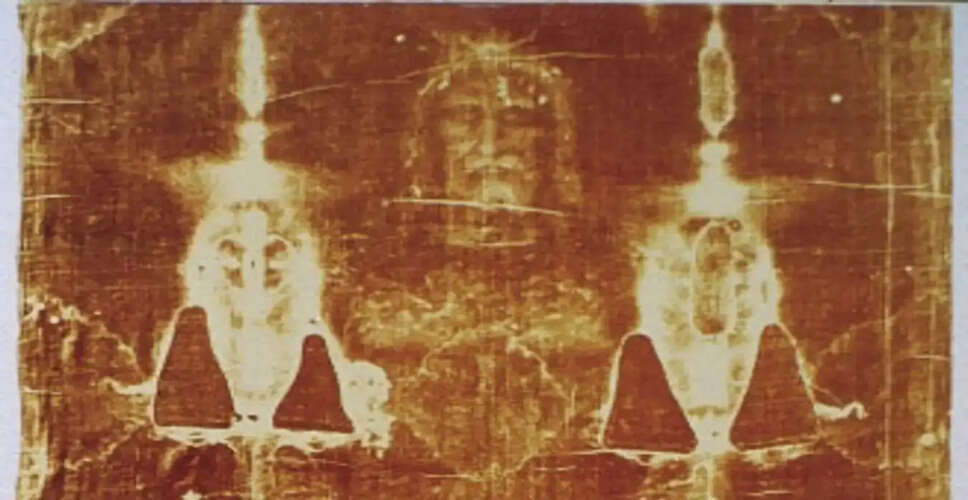

New Insights into the Shroud of Turin's Genetic History
A recent DNA study has introduced an intriguing perspective on the Shroud of Turin, suggesting that a notable portion of the genetic material found on this ancient cloth may originate from India. This linen shroud, approximately 4.4 meters long and 1.1 meters wide, is one of the most controversial relics in Christianity. Documented for the first time in France in 1354, it is currently preserved in the Cathedral of Saint John the Baptist in Turin, Italy, and is believed by some to have enveloped Jesus' body post-crucifixion.
In a study shared on the preprint platform BioRxiv, which has yet to undergo peer review, a team led by Gianni Barcaccia from the University of Padova examined DNA extracted from dust collected from the shroud in 1978. Their analysis reveals a rich biological history influenced by centuries of human interaction and environmental factors. The researchers noted, "The DNA traces on the Shroud of Turin indicate significant exposure in the Mediterranean and suggest that the yarn may have been produced in India." They discovered that around 38.7% of the human genomic data on the cloth aligns with Indian lineages, a finding that was unexpected and may relate to historical trade involving linen or yarn from areas near the Indus Valley.
The study also identified DNA from various animals, including domestic species like dogs, cats, and chickens, as well as wild animals such as deer and rabbits. Additionally, traces of plant DNA were found, including wheat, potatoes, and tomatoes, indicating extensive environmental exposure. The researchers cautioned that the variety of genetic material reflects repeated handling and contamination over time, complicating efforts to isolate any original DNA from the shroud. They stated, "Genetic and microbial evidence reveals a complex history of the Turin Shroud, showcasing interactions with a diverse range of individuals."
Furthermore, skin-associated bacteria such as Cutibacterium and Staphylococcus were detected, reinforcing the idea of significant human contact. While these findings provide new insights into the shroud's historical journey across different cultures, they do not clarify its age. The researchers concluded, "Our findings represent a novel and important contribution to the field, thoroughly detailing the biological traces left by centuries of social, cultural, and ecological interactions." This study highlights the shroud's global connections while leaving its origins and authenticity open to interpretation.