
Is the Global Economy on the Brink? IEA Chief Sounds Alarm Over Energy Crisis
IEA Chief Raises Concerns Over Energy Turmoil
New Delhi: Fatih Birol, the head of the International Energy Agency (IEA), has issued a stark warning regarding the significant threats facing the global economy due to escalating tensions in the Middle East.
Birol emphasized that the current circumstances in West Asia present serious challenges to economies around the globe.
"Today, the global economy is under a substantial threat, and I sincerely hope for a swift resolution to this situation," he stated during a media event held in Australia.
He pointed out that the repercussions of the conflict would extend beyond a few nations, asserting that "no country will be shielded from the impacts of this crisis."
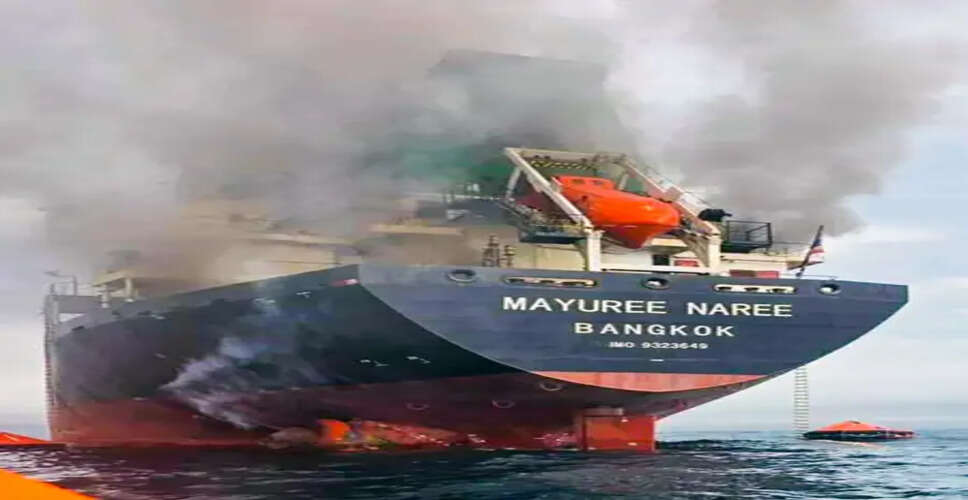
The ongoing conflict has resulted in the most significant supply disruption ever recorded in the global oil market, with shipping through the Strait of Hormuz, a crucial route that typically accounts for about 20% of global oil consumption, severely diminished.
Normally, around 20 million barrels of crude oil and oil products pass through the Strait daily.
In response, Iran's Foreign Ministry has clarified that the Strait of Hormuz remains open for navigation, with necessary precautions being implemented due to wartime conditions.
The ministry affirmed Iran's commitment to maintaining freedom of navigation and maritime security, highlighting its long-standing efforts to uphold these principles.
Recently, the IEA proposed various demand-side measures for governments, businesses, and households to mitigate the economic effects on consumers, including encouraging remote work and reducing air travel.
One immediate recommendation is to promote working from home where feasible, thereby decreasing oil consumption associated with commuting, especially in jobs suitable for remote work. Additionally, transitioning to modern cooking methods, such as electric cooking, can help lessen reliance on LPG, according to the report.
"The ongoing conflict in the Middle East is leading to a significant energy crisis, marked by the largest supply disruption in the history of the global oil market. Without a prompt resolution, the consequences for energy markets and economies are likely to intensify," Birol warned.