
Is the Era of Global Hegemony Over? EAM Jaishankar Discusses a Multipolar Future
A New Era of Multipolarity
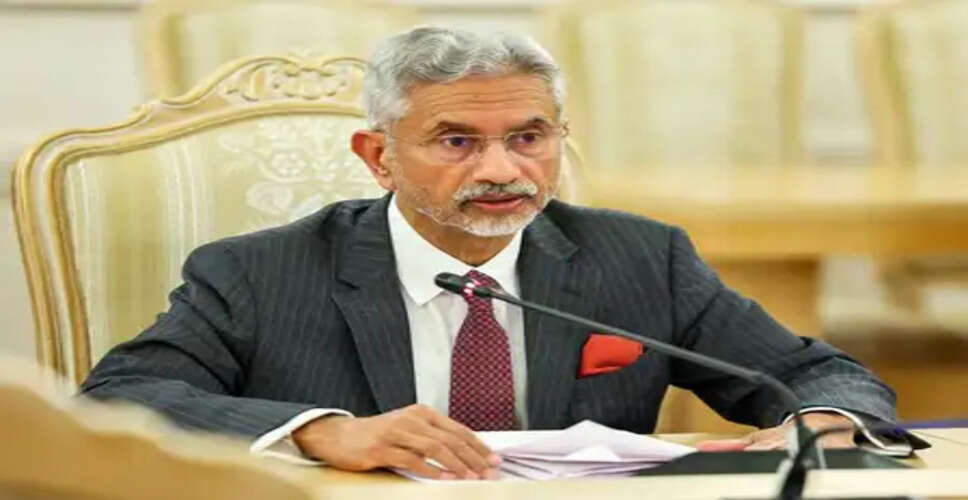
New Delhi: On March 7, during a session at the Raisina Dialogue, External Affairs Minister S. Jaishankar emphasized that the world is transitioning towards a multipolar structure. He stated that the dominance of major nations forming extensive spheres of influence is a thing of the past.
Jaishankar expressed his belief that the future will be characterized by multiple power centers, as no single nation currently holds overarching control across various sectors.
He pointed out that this shift is not merely about economic power or capabilities; instead, different regions will increasingly contribute in diverse areas.
These insights were shared while discussing Finnish President Alexander Stubb's book, 'The Triangle of Power.'
He reiterated that while multipolarity is becoming the norm, larger nations may still forge temporary alliances on specific issues.
Jaishankar remarked that the previous era of major powers dictating terms to the rest of the world has concluded.
He clarified that multipolarity does not contradict multilateralism, stating that both can coexist.
The minister highlighted India's role in hosting the Voice of Global South meetings over the past three years, indicating a new foundation for collaboration among developing nations.
In conclusion, he affirmed that the age of significant nations establishing vast spheres of influence is effectively over.