
Is the AI Bubble About to Burst? What It Means for Indian Markets
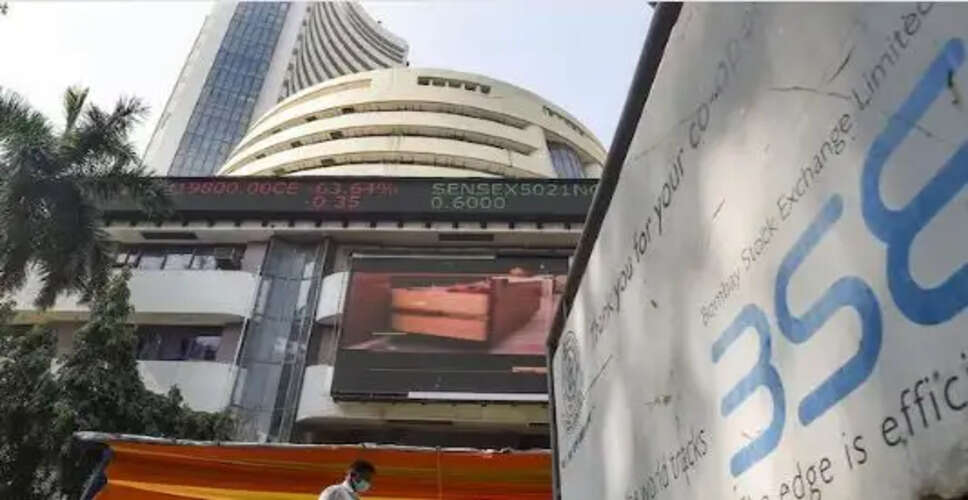

Impact of Nasdaq's Decline on Indian Markets
Mumbai: A recent drop of approximately 5% in the Nasdaq signals potential instability in the AI sector, which could lead to a reversal of foreign portfolio investor (FPI) outflows from Indian markets, analysts suggested on Sunday.
In May, FPIs recorded a net sale of equities amounting to ₹32,963 crore. This trend of selling persisted into early June, with total sales reaching ₹42,926 crore by June 6, bringing the cumulative sales for 2026 to ₹283,662 crore, according to NSDL data.
Given the crucial role of FPI inflows in addressing the current account deficit and the Balance of Payments, both the Central Bank and the government have implemented various strategies to attract these investments.
Dr. VK Vijayakumar, Chief Investment Strategist at Geojit Investments Ltd., noted that initiatives such as tax exemptions on interest and capital gains from FPI investments in government securities, along with measures in monetary policy like the RBI covering hedging costs on FCNR deposits, expanding the forex swap window, and increasing access to government bonds through the FAR route, are expected to enhance forex inflows into India.
These efforts have also contributed to the stabilization of the Indian rupee, which improved from a low of 96.96 to 94.94 by June 5, marking a positive trend.
However, for FPIs to resume investments in India, a shift in the AI trade, which has largely driven FPI outflows, is necessary. Analysts have noted early indications of this change.
Last week, the markets closed lower, with benchmark indices Nifty and Sensex declining due to concerns over geopolitical tensions and global trade uncertainties.
Despite this, supportive domestic macroeconomic indicators helped mitigate the extent of the decline, according to analysts.