
Is South Asia on the Brink? Pakistan's Nuclear Ambitions Amidst Rising Tensions with India
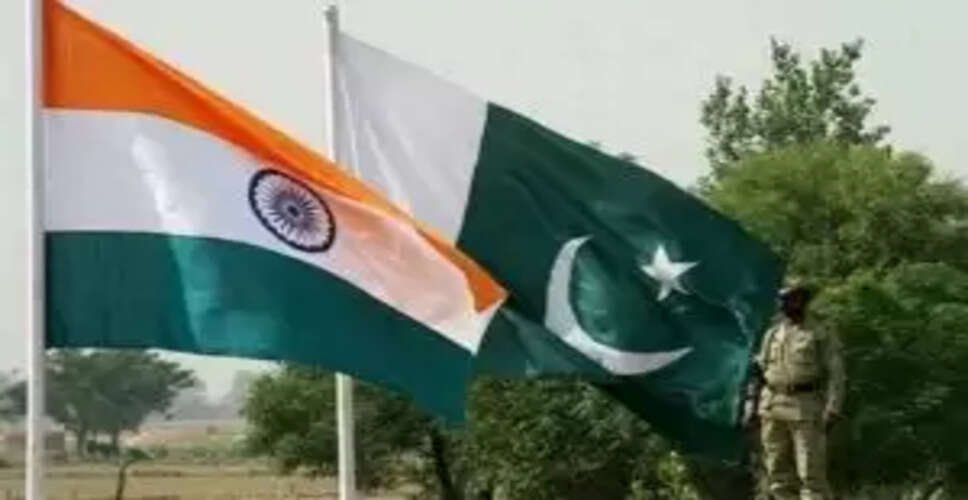
Growing Nuclear Threats in South Asia
Washington/New Delhi: According to the United States Defence Intelligence Agency (DIA) in its 2025 Worldwide Threat Assessment, Pakistan perceives India as a significant existential threat, prompting an acceleration in its nuclear weapons program.
The report highlights increasing military tensions and the potential for conflict in South Asia.
Despite India's conventional military advantages, Pakistan is concentrating on enhancing its deterrent capabilities through the development of tactical nuclear weapons. The DIA estimates that Pakistan currently possesses around 170 nuclear warheads, with projections suggesting this could increase to 200 by the end of 2025. Unlike India, Pakistan has not implemented a 'No First Use' policy.
The assessment details Pakistan's military priorities, which encompass counter-terrorism efforts, managing cross-border tensions, and modernizing its nuclear arsenal—activities reportedly backed by China. The document also points out the strengthening military relationship between Islamabad and Beijing, characterized by regular joint exercises and the procurement of weapons-related materials from countries like Hong Kong, Turkey, and the UAE.
"Pakistan is enhancing its nuclear capabilities while ensuring the security of its nuclear materials and command structures. It is highly likely that Pakistan acquires goods applicable to Weapons of Mass Destruction (WMD) from international suppliers and intermediaries," the report states.
In contrast, India identifies China as its primary strategic adversary, viewing Pakistan as a secondary threat that needs to be managed. The DIA indicates that Prime Minister Narendra Modi is expected to maintain a focus on countering Chinese influence, bolstering India's defense partnerships, and modernizing its military forces.
Tensions flared in early May after India conducted missile strikes targeting terrorist infrastructure in Pakistan and Pakistan-administered Kashmir, following a terrorist attack in Jammu and Kashmir in late April. This led to several days of missile, drone, and artillery exchanges before both nations reached a ceasefire on May 10.
The DIA cautions that without ongoing dialogue, the risk of future escalation remains significant. With Pakistan's growing alliance with China and both countries enhancing their military capabilities, South Asia continues to be a critical area of concern for potential nuclear conflict.