
Is Bangladesh's President Mohammad Shahabuddin on the Verge of Resignation?
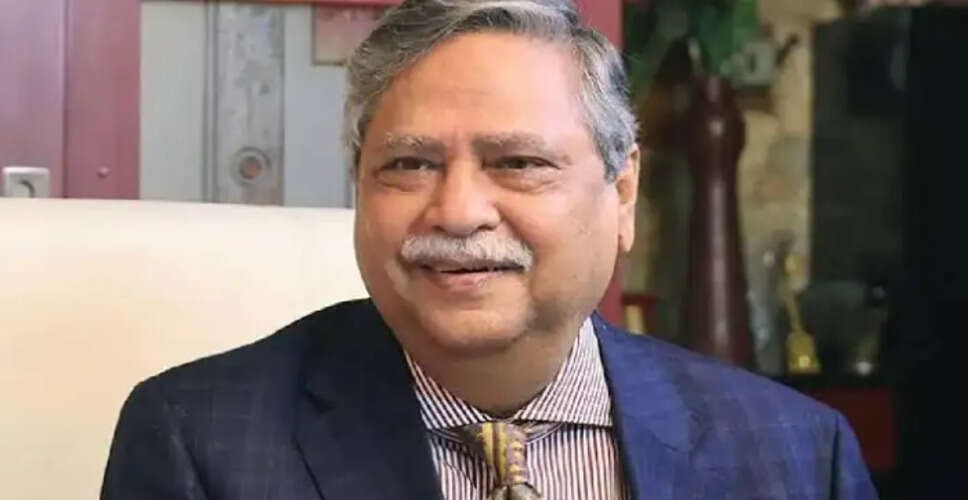

Potential Resignation of President Shahabuddin
Dhaka: Reports indicate that Bangladesh's President Mohammad Shahabuddin may step down soon, potentially two years before the end of his term, according to political insiders and media outlets.
Shahabuddin, who was appointed by the previous parliament, remains the only official still in his constitutional role following the tumultuous student-led protests in July-August 2024 that resulted in the ousting of Prime Minister Sheikh Hasina. Since August 5, 2024, Hasina has been residing in India.
A senior member of the ruling Bangladesh Nationalist Party (BNP), led by Prime Minister Tarique Rahman, hinted at Shahabuddin's imminent resignation but did not provide further details.
In recent days, various Bangladeshi media have reported on the growing speculation regarding his resignation, suggesting that the current government is increasingly uneasy with Shahabuddin's position.
According to Prothom Alo, a reputable newspaper, a government source revealed dissatisfaction over Shahabuddin's attempts to reconnect with Hasina.
A senior BNP official mentioned to The Daily Star that a recent phone call between Shahabuddin and Hasina is not the sole reason for his anticipated resignation, indicating that the political landscape in Bangladesh has become more intricate, especially with Hasina's announcement of her return.
Earlier this month, Hasina expressed her intention to come back to Bangladesh in December.
While the government has stated it 'welcomes' her return, it emphasized that she must confront legal consequences.
The International Crimes Tribunal of Bangladesh (ICT-BD) sentenced Hasina and her cabinet's home minister, Asaduzzaman Khan Kamal, in absentia on November 17, 2025, for their roles in suppressing the protests, now referred to as the 'July Uprising.'
Shahabuddin, a veteran of the 1971 Liberation War and a former lower judiciary judge, took office in April 2023 for a five-year term.
As per the Constitution of Bangladesh, if the president resigns, the parliamentary Speaker Hafizuddin Ahmed will assume the role of interim president until a new president is elected.
The ICT-BD was established in 2010 by Hasina's government to prosecute individuals who collaborated with Pakistani forces during the 1971 Liberation War.
Following Hasina's departure to India, the interim government led by Muhammad Yunus amended the ICT-BD law to allow for the prosecution of Awami League leaders and officials for crimes against humanity.