
Iraq Appoints Ali Al-Zaidi as New Prime Minister Amid Political Turmoil

A Surprising Choice for Leadership
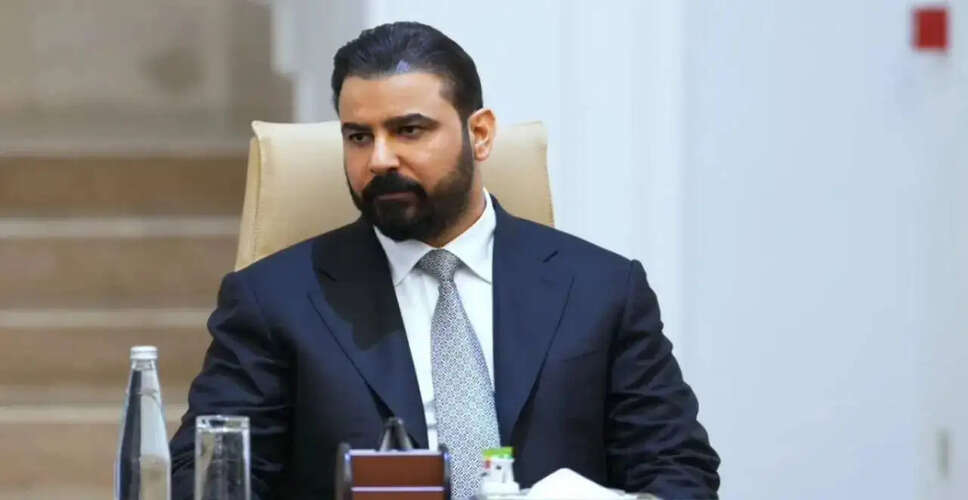
After extensive political negotiations, Iraq's Shia coalition has made an unexpected decision regarding its leadership. Ali Al-Zaidi, a 40-year-old businessman without any previous political experience, has been appointed as the prime minister-designate. This choice signifies a notable shift from the conventional political figures that have historically led Iraq. The announcement was made by the Coordination Framework, the dominant faction in Iraq's parliament, which identified al-Zaidi as their consensus candidate following a period of internal discord. In a statement released after a meeting in Baghdad, the bloc confirmed, “Ali al-Zaidi was chosen… to take on the role of prime minister and establish the next government.” Shortly after this nomination, President Nizar Amedi officially tasked al-Zaidi with the responsibility of forming a government, thereby averting a potential constitutional crisis due to missed deadlines for appointing a successor.
Transition from Business to Politics
From Boardrooms To Power
In contrast to many of Iraq's former leaders, al-Zaidi's ascent has not been influenced by a lengthy political career. He was born in Baghdad and hails from a notable family in Dhi Qar province. His professional journey has been rooted in business, finance, and academia. Al-Zaidi possesses degrees in law and finance, as well as a master's degree in banking and finance, and is affiliated with the Iraqi Bar Association. His career includes leadership of the National Holding Company, a diverse conglomerate involved in sectors such as real estate, banking, renewable energy, and logistics. Additionally, he has contributed to educational and healthcare institutions, serving as chairman of Shaab University and the Ishtar Medical Institute. However, his financial history has faced scrutiny, particularly due to past connections with a bank that was sanctioned by Iraq's central bank.
Navigating a Divided Political Landscape
A Compromise Candidate In A Divided System
Al-Zaidi's rise is closely linked to the significant political deadlock that preceded his selection. The Coordination Framework had been unable to agree on a candidate for months, missing constitutional deadlines and risking institutional paralysis. Former Prime Minister Nouri al-Maliki, who was initially a leading candidate, had to withdraw due to strong opposition, including pressure from international figures. Attempts to propose alternative candidates also stumbled amid factional conflicts within the bloc. Confronted with the possibility of an extended crisis, coalition leaders held a final meeting where al-Zaidi was swiftly chosen as a consensus candidate — a figure acceptable to various factions and unlikely to provoke backlash from international stakeholders.
Challenges Ahead for Iraq
What Lies Ahead For Iraq
Al-Zaidi now faces the pressing task of assembling a cabinet within 30 days and obtaining parliamentary approval. The Coordination Framework commands a majority in parliament, but maintaining internal unity will be crucial for transforming this nomination into effective governance. His term begins amidst rising regional tensions, with Iraq caught between the influences of Washington and Tehran, while also dealing with internal issues such as corruption, economic reform, and the role of armed groups within the Popular Mobilisation Forces. His articulated vision focuses on institutional reform, empowering youth, and steering Iraq towards a more open and sustainable economic framework. However, the feasibility of implementing this vision in a politically fragmented landscape remains uncertain. For the moment, al-Zaidi's appointment signifies both a resolution to a political deadlock and the onset of a new, untested chapter in Iraq's governance.