
Iran's Retaliatory Strikes Escalate Tensions in Gulf Region
Escalation of Attacks in the Gulf
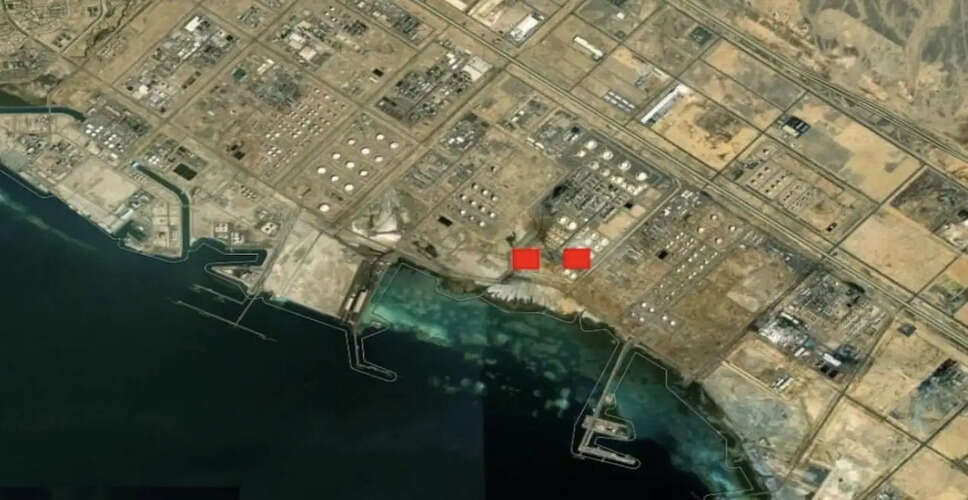
The Yanbu oil refinery in Saudi Arabia, a significant facility owned by Aramco SAMREF, has come under attack from Iran as part of its retaliation against Israeli and US actions targeting Tehran's oil infrastructure. This escalation occurred during the night of March 18-19, following Israeli strikes on Iranian oil fields, prompting Tehran to respond by targeting energy installations in Qatar and the UAE, thereby jeopardizing vital oil and gas supplies globally.
Iran's aggressive actions on March 19 included assaults on a Saudi refinery located on the Red Sea, as well as igniting fires at Qatari liquefied natural gas facilities and two oil refineries in Kuwait. This marked a significant intensification of the ongoing conflict in the Middle East, which has already led to a surge in global fuel prices. Brent crude oil prices soared to $118 per barrel, reflecting a more than 60% increase since the onset of hostilities on February 28.
Additionally, incidents involving ships being set ablaze near the UAE and damage to vessels off the coast of Qatar highlighted the risks posed by Iran's control over the Strait of Hormuz, a crucial maritime route for global oil transport. In response to these threats, Saudi Arabia has started redirecting oil shipments westward to bypass the strait, although the safety of this new route has been called into question following the attack on the SAMREF refinery.
In Qatar, firefighters managed to extinguish a fire at a major LNG facility that was struck by Iranian missiles. Although production had already been suspended due to previous assaults, the latest missile barrage resulted in significant fires and further damage, potentially delaying Qatar's ability to supply natural gas to the market even after the conflict subsides.
A drone strike on Kuwait's Mina Al-Ahmadi refinery ignited a fire but fortunately did not result in any injuries, according to state media. This refinery is among the largest in the region, with a capacity of 730,000 barrels per day. Shortly thereafter, another drone attack targeted the nearby Mina Abdullah refinery, causing additional damage.
In Abu Dhabi, authorities announced the shutdown of operations at the Habshan gas facility and Bab field, labeling the Iranian attacks on these sites as a serious escalation of hostilities.
US Response to Iranian Threats
Trump's Warning to Iran
In light of Iran's increased aggression towards energy facilities in the Gulf, US President Donald Trump issued a stark warning, stating that the US would respond with overwhelming force against Iran's South Pars natural gas field if further attacks on Qatar occurred. This threat came after Iranian missiles targeted Qatar in retaliation for an earlier Israeli strike on the same gas field.
The ongoing US-Israeli conflict with Iran has significantly impacted energy markets, driving up oil prices and affecting the global economy. Following the attack on South Pars, fears of Iranian retaliation against Gulf energy infrastructure further fueled the rise in oil prices. Trump claimed that the US had no prior knowledge of the attack, although sources indicated that the US was aware of Israel's plans to target the gas field but did not participate in the operation.
With inputs from AP