
Iran's Power Dynamics Shift Under Mojtaba Khamenei

The New Leadership Structure in Iran
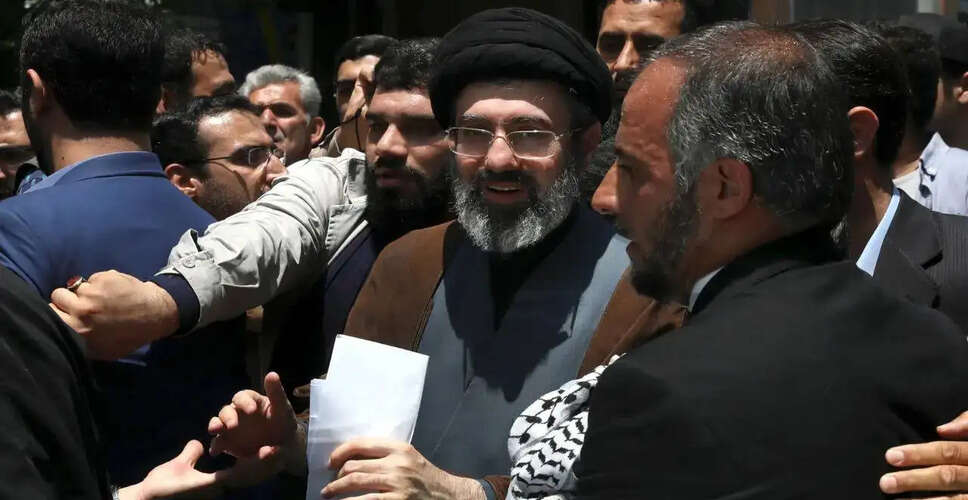
Following the passing of Ayatollah Ali Khamenei, the authority over Iran's military and diplomatic strategies has transitioned to his son, Ayatollah Mojtaba Khamenei. However, unlike his father, Mojtaba does not possess the same level of absolute power. Since his appointment in March, he has largely remained out of the public eye, with no images or recordings of him available. Instead, a close circle of senior commanders from the Revolutionary Guards has taken charge of crucial decisions regarding defense and foreign relations. An Iranian politician familiar with Mojtaba described him as operating like a 'chairman of the board,' where he collaborates with military leaders to make decisions.
Insights from various officials reveal that the current governance structure is heavily influenced by the Revolutionary Guards, who have gained significant power following the death of the previous supreme leader. Mojtaba's life took a drastic turn after a US and Israeli airstrike on February 28, which resulted in the loss of his family members. Since then, he has been in hiding, receiving medical care for severe injuries sustained during the attack.
Despite his physical limitations, Mojtaba remains mentally engaged in state affairs, although he has delegated many daily responsibilities to military leaders due to security concerns. The Revolutionary Guards, who were initially established to protect the Islamic Revolution, have expanded their influence over the years, now holding key positions within the government.
While Mojtaba Khamenei has not yet fully asserted his authority, he is involved in the decision-making process, albeit often presented with finalized agreements. Recent discussions regarding nuclear negotiations with the US have involved input from Mojtaba, but the military establishment continues to dominate the political landscape.
As tensions rise with the US, the Revolutionary Guards view the ongoing conflict as a critical threat. They have taken strategic actions, including disrupting global energy routes, while sidelining elected officials from significant negotiations. The dynamics within Iranian politics remain complex, with various factions vying for influence, yet the military's grip on power appears to be solidifying.
In a recent address, Parliament Speaker Mohammad Bagher Ghalibaf emphasized that Mojtaba is actively involved in discussions regarding Iran's nuclear strategy, although the military's decisions often overshadow his input. The Revolutionary Guards have orchestrated military responses and negotiations, reflecting a shift in power dynamics since the previous leadership.
As the situation evolves, it remains uncertain whether Mojtaba Khamenei will eventually claim more authority or if the military will continue to steer Iran's future amidst ongoing conflicts and diplomatic efforts.