
Iran's Missile Strike on Qatar's LNG Facility Triggers Global Energy Crisis
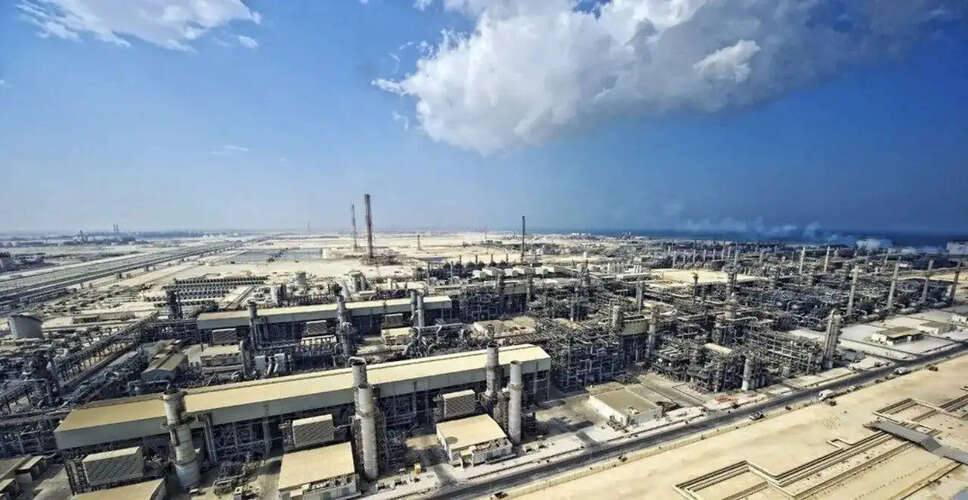
Missile Attack Disrupts Energy Production
The global oil and gas markets are facing heightened instability following an Iranian missile strike on Ras Laffan, Qatar's largest liquefied natural gas (LNG) facility. This attack has halted production at one of the most vital energy hubs worldwide. It represents a significant escalation in Iran's response to recent US-Israel military actions that have intensified the ongoing conflict in the Middle East. Iran has increasingly targeted not only military installations but also essential energy infrastructure throughout the Gulf, prompting strong reactions from major oil and gas producers in the region.
Impact on Global Energy Supply
Energy Shock Deepens
Ras Laffan plays a crucial role in establishing Qatar as one of the leading LNG exporters globally, alongside the United States, Australia, and Russia. The current disruption is not an isolated incident; earlier in March, Iranian attacks on Qatari gas fields had already led to a temporary suspension of production by QatarEnergy. These actions are largely viewed as retaliation for Israel's strike on Iran's South Pars gas field, which is part of the world's largest natural gas reserve.
Maritime Energy Flows Affected
Strait of Hormuz Under Pressure
The ongoing situation has severely disrupted maritime energy transportation. The Strait of Hormuz, a critical passage for approximately 20% of the world's oil, has experienced a significant slowdown in tanker traffic due to fears of additional attacks. As the conflict enters its third week, this strategic waterway has become a high-risk area, with over 700 cargo vessels stranded near vital regional ports.
Escalation of Military Actions
Escalation on the Ground
Since late February, US and Israeli military operations have targeted Iran's leadership and military capabilities, including the reported assassination of intelligence chief Esmail Khatib. In retaliation, Iran has ramped up missile and drone strikes across the region, further disrupting global energy supply chains.
Consequences for India
What It Means for India
This crisis is directly affecting energy-importing nations like India, which relies on imports for about 50% of its natural gas needs, with a significant portion sourced from Qatar. Approximately 40% of India's LNG imports come from Qatar, representing around 20% of its total gas consumption. The disruptions have already impacted supplies equivalent to 47.4 million metric standard cubic meters per day (MMSCMD) due to force majeure conditions. With domestic production at about 97.5 MMSCMD against a total consumption of 189 MMSCMD, the shortfall is considerable. Experts caution that India may need to reduce gas usage, particularly in industrial and power sectors, while seeking alternative LNG sources. State-run energy companies have begun to explore new markets for sourcing cargoes. As critical infrastructure faces attacks and shipping routes are threatened, the conflict is evolving from a regional issue to one that is reshaping global energy dynamics. With ongoing strikes and tightening supply chains, the repercussions are being felt well beyond the Middle East, raising concerns about prolonged volatility in energy markets worldwide.