
Iran's Missile Launch Towards Diego Garcia Marks Escalation in Regional Tensions
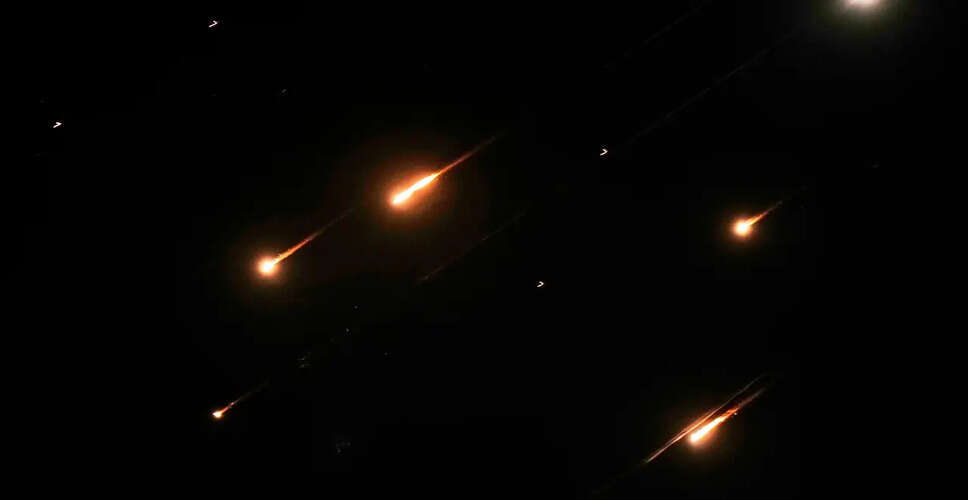
Iran's Bold Missile Attempt
Iran has launched two intermediate-range ballistic missiles aimed at Diego Garcia, a military base jointly operated by the US and UK in the Indian Ocean. This action represents a notable escalation and the first known attempt by Iran to strike targets outside the Middle East, as reported by a prominent news outlet. US officials confirmed that neither missile successfully struck the base; one missile reportedly malfunctioned during its flight, while a US naval vessel fired an SM-3 interceptor at the second missile, though it remains uncertain if it was intercepted successfully.
This missile launch occurred shortly after UK Prime Minister Keir Starmer granted the US permission to utilize key British military bases, including Diego Garcia and RAF Fairford, for operations targeting Iranian positions associated with the Strait of Hormuz. Previously, Starmer had restricted US access to these bases for defensive purposes only, primarily to counter threats to British lives or interests. However, a significant policy change was confirmed by Downing Street, allowing for a broader operational scope.
The new authorization permits US forces to conduct strikes aimed at safeguarding commercial shipping in the strait, a vital route for global oil transit. Officials clarified that this action still aligns with the principle of 'collective self-defense,' despite expanding the range of military operations permitted.
Implications of Iran's Missile Capabilities
What Iran's Targeting Of Diego Garcia Reveals
The attempted strike highlights Iran's capability to project military power well beyond its immediate vicinity. Diego Garcia is approximately 3,795 kilometers (around 2,358 miles) from Iran, raising questions about the actual range of Tehran's missile technology. Iranian Foreign Minister Abbas Araghchi had previously claimed that Iran had intentionally limited its missile range to 2,000 kilometers.
However, independent evaluations suggest otherwise. According to Iran Watch, part of the Wisconsin Project on Nuclear Arms Control, Iran possesses operational missiles with a range of up to 4,000 kilometers. Meanwhile, Israel’s Alma Research and Education Center estimates a range of about 3,000 kilometers, with indications of ongoing development of longer-range missile systems.
Diego Garcia holds significant strategic value, serving as a crucial hub for US and UK military operations, including hosting bombers, nuclear submarines, and guided-missile destroyers. This missile launch also occurs amid geopolitical sensitivities regarding the island, as the UK has been negotiating to transfer sovereignty of Diego Garcia and the surrounding Chagos Islands to Mauritius while retaining a long-term lease for military use by the US and UK. This proposal has faced opposition from President Donald Trump and several Republican lawmakers.
Although the missiles did not reach their intended target, this incident underscores the escalating conflict and raises alarms about Iran's expanding military capabilities.