
Iran's Leadership Crisis: The Rise of Mojtaba Khamenei Amidst Conflict
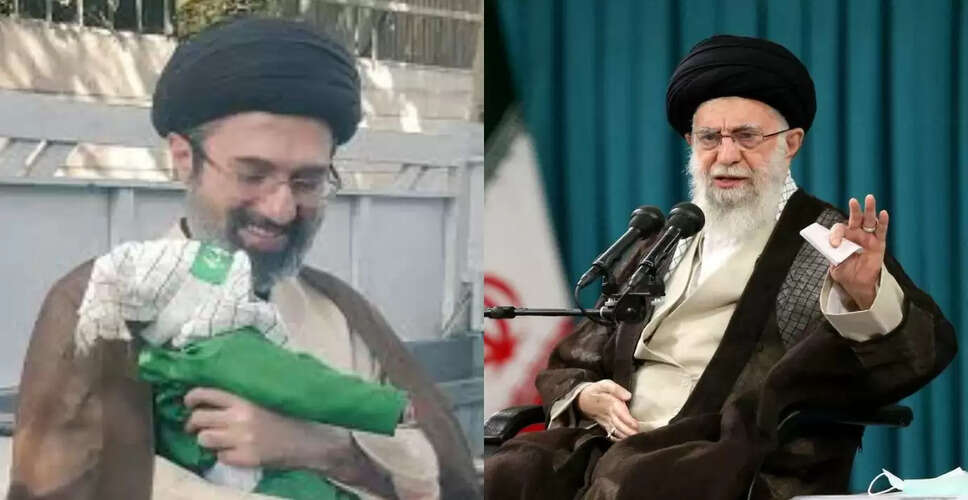
Iran Faces Leadership Challenges Amid Ongoing Conflict
Iran is currently experiencing a significant shift in its political landscape, as Supreme Leader Ayatollah Ali Khamenei has seen the loss of crucial military and diplomatic advisors due to Israeli airstrikes. The situation shows no signs of resolution, with Israeli Prime Minister Benjamin Netanyahu suggesting a complete dismantling of Iran, while Khamenei has vowed that Iran will not capitulate and has issued threats of retaliation against U.S. support for Israel. The escalating tensions raise questions about the future of both nations as they exchange stern warnings.
Khamenei's Isolation and Potential Succession
The 86-year-old leader finds himself increasingly isolated, having lost many of his top military and security advisors in recent attacks. This loss has created significant voids in his leadership structure, potentially impacting his decision-making process. Speculation is growing about the possibility of a regime change in Iran amidst the escalating conflict, leading to questions about who might succeed Khamenei if he were to step down.
Emerging Successors to Khamenei
Several individuals are being discussed as potential successors to Ayatollah Khamenei, including Mojtaba Khamenei, Alireza Arafi, Ayatollah Hashem Hosseini Bushehri, and Reza Pahlavi. Among these, Mojtaba Khamenei, the Supreme Leader's second son, appears to be the most prominent candidate. Understanding his role within Iran's power dynamics is crucial as the nation navigates this turbulent period.
Mojtaba Khamenei: A Closer Look
Mojtaba Khamenei, a Shia religious leader and the second son of Ayatollah Ali Khamenei, has been groomed for leadership, particularly as rumors of his father's retirement circulate. If he ascends to power, it would mark the first instance in the 45-year history of the Islamic Republic where a family member directly succeeds the Supreme Leader. Over the past two decades, he has increasingly participated in his father's leadership circle, playing a vital role in bridging political factions, religious authorities, and military leaders.
Youth Perception and Future Leadership
The younger generation in Iran views Mojtaba Khamenei as a potential spiritual leader, holding significant influence after his father. He maintains strong connections with the Revolutionary Guard and conservative factions. However, there is considerable opposition to the idea of a family member taking power, as it contradicts the principles of the revolution.
Financial Influence of the Khamenei Family
To understand how Mojtaba Khamenei or any future Supreme Leader might manage resources, it's essential to look at the assets controlled by Ali Khamenei. While official information is scarce, reports suggest that he oversees a vast financial empire valued at approximately $95 billion. Some estimates even place this figure closer to $200 billion, significantly overshadowing Iran's total GDP of about $388 billion. Mojtaba is believed to have substantial stakes in Ayandeh Bank, a public entity established in 2013 and listed on the Iran Fara Bourse.