
Iran's Kheibar Shekan Missile: A Growing Threat to US Forces

Introduction to the Kheibar Shekan
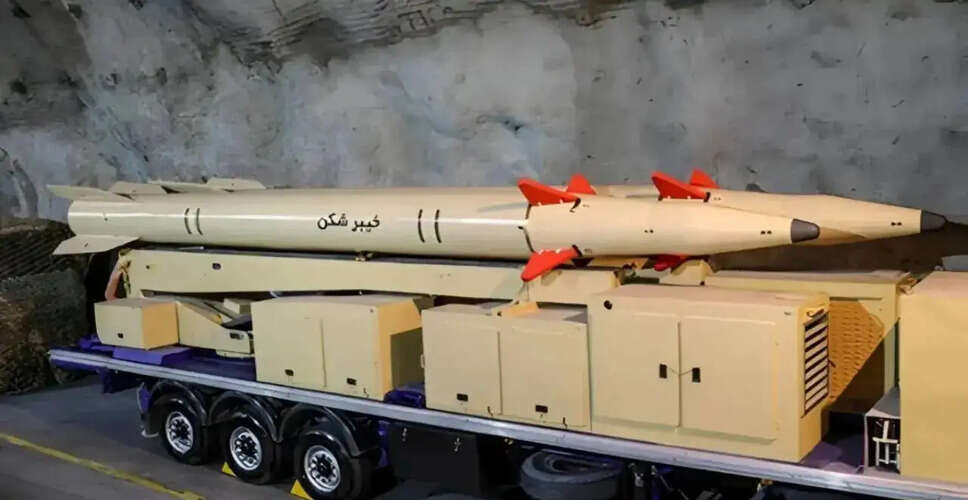
A cost-effective missile in Iran's arsenal has become a significant challenge for American military operations in the region. This missile, known as the Kheibar Shekan, is a crucial part of Iran's missile capabilities, appreciated for its affordability, mobility, and precision, boasting a range of over 900 miles. Recent reports indicate that as hostilities have escalated this month, US officials have observed Iran targeting American bases with this missile.
Tactics of the Kheibar Shekan
What makes this missile particularly concerning is Iran's strategic deployment. The country alters flight paths, speeds, and maneuvers with each launch, seemingly attempting to outsmart US defense systems. A US official noted that while many of these missiles have been intercepted during the ongoing conflict, some have successfully evaded defenses.
Designed for Speed and Evasion
Unlike older missiles that required extensive fueling before launch, giving US and Israeli forces a chance to strike, the Kheibar Shekan is designed for rapid deployment. Analysts explain that it can remain fueled and be quickly loaded onto vehicles for immediate launch, complicating efforts for warplanes to target them on the ground.
Certain variants of this missile feature an additional capability. The warhead section, which detaches during the final flight phase, is equipped with a small engine that allows it to change direction while hurtling towards its target at speeds around 6,000 miles per hour. This design enables the Kheibar Shekan to alter its trajectory more aggressively than many similar missiles, making it harder to track and intercept.
A Comprehensive Strategy
Iran is not solely dependent on the Kheibar Shekan. US officials report that the country is also deploying fast attack drones and simpler missile systems against the same targets, adapting its tactics as the conflict evolves. Since the breakdown of the ceasefire, Iran has consistently targeted housing areas at Middle Eastern bases where American personnel are stationed, as well as the radar systems crucial for regional air defenses, increasing risks for US troops.
Retired Army General Joseph Votel, a former head of US Central Command, remarked that this pattern indicates Iran is meticulously analyzing American responses to identify vulnerabilities. He emphasized that Iran has developed considerable expertise over the years through its established drone and missile programs.
Iran's Missile Arsenal Numbers
Prior to the onset of this conflict, estimates from US and Israeli intelligence suggested that Iran possessed approximately 2,500 Kheibar Shekans and other medium-range missiles. Independent missile expert Fabian Hinz noted that Iran might be producing more missiles using components stored in underground facilities, despite reports that the factories responsible for manufacturing missile engines have been destroyed.
While Iran has not disclosed the production cost of a single Kheibar Shekan, it is believed to be significantly less expensive than the interceptors used by the US and Israel, which can range from $2 million to $15 million depending on the system. Hinz indicated that Iran seems to be refining its attack strategies over time by analyzing previous launches to determine the most effective maneuvers against missile defenses, continuously enhancing its tactics.