
Iran's Foreign Minister Clarifies Strait of Hormuz Status Amid Tensions
Iran's Position on the Strait of Hormuz
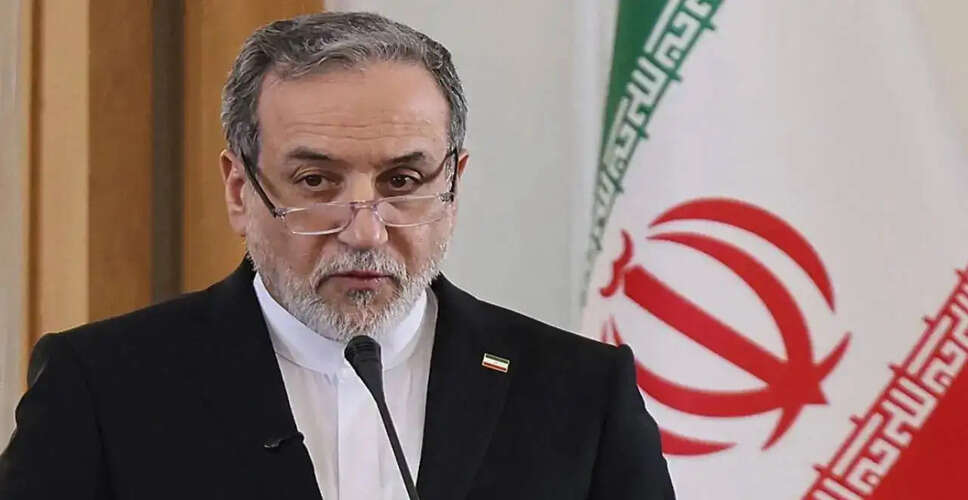
On Saturday, Iranian Foreign Minister Abbas Araghchi addressed the ongoing narrative regarding the Strait of Hormuz, asserting that it remains open. However, he specified that it is only inaccessible to vessels from nations he termed as enemies. In an interview, he stated, "The Strait of Hormuz is open. It is only closed to the tankers and ships belonging to our enemies, to those who are attacking us and their allies. Others are free to pass. Of course, many of them prefer not to because of their security concerns. This has nothing to do with us." He emphasized that while tankers continue to navigate the strait, American and Israeli ships are not among them, clarifying that Iran is not obstructing global oil supplies but is selectively targeting adversaries.
Iran's Foreign Minister Abbas Araghchi: The Strait of Hormuz is open. It is only closed to the tankers and ships belonging to our enemies, to those who are attacking us and their allies. Others are free to pass. Of course, many of them prefer not to because of their security… pic.twitter.com/GDlN5NpBpB
— Clash Report (@clashreport) March 14, 2026
Despite Araghchi's assertions, the global perception may differ, especially as the ongoing insurance crisis and shipping delays have significantly hampered commercial traffic, regardless of the vessels' flags. Mohsen Rezaee, a member of Iran's Expediency Discernment Council, took a firmer stance, declaring, "No American ship has the right to enter the Gulf."
Reactions from Global Leaders
President Trump's Response
In a statement posted on Truth Social, former President Trump issued a strong warning to nations impacted by the situation. He indicated that many countries, particularly those affected by Iran's actions in the Strait of Hormuz, would collaborate with the United States to ensure the strait remains open and secure. Trump urged nations such as China, France, Japan, South Korea, and the UK to deploy naval vessels to the region. He claimed, "We have already destroyed 100% of Iran’s Military capability, but it’s easy for them to send a drone or two, drop a mine, or deliver a close-range missile somewhere along, or in, this Waterway, no matter how badly defeated they are." He concluded with a promise that the US would continue its military actions against Iran until the strait is deemed safe.
India's Unique Position
India Gets an Exemption
In a notable development, two Indian-flagged tankers transporting liquefied petroleum gas successfully traversed the Strait of Hormuz on Saturday, as confirmed by Rajesh Kumar Sinha from India's Ministry of Ports, Shipping and Waterways. Iran's ambassador to India acknowledged that this exemption was granted following discussions between Prime Minister Narendra Modi and Iranian President Masoud Pezeshkian earlier in the week. This exception highlights Iran's selective approach to the strait, which is being utilized as a strategic tool rather than a comprehensive blockade.
Expert Opinions
What Experts Are Saying
Experts remain skeptical about the effectiveness of Trump's call for a coalition. Andreas Krieg from King's College London's School of Security Studies described the appeal as a "desperate move in an information campaign to calm markets." He argued that Iran does not require a fully operational military to maintain control over the strait; rather, occasional strikes are sufficient to deter insurers and halt commercial shipping. Krieg noted, "It doesn't seem like they had a plan for the Strait of Hormuz to be closed," suggesting that deploying naval forces without a diplomatic framework could expose them to significant risks from low-cost but effective weaponry.