
Iran's Drone Warfare: A Costly Challenge for the Gulf States
The Financial Strain of Drone Warfare
The ongoing drone assaults from Iran are revealing a significant financial disparity in the Gulf conflict. The inexpensive Shahed drones, priced at approximately $35,000 each, compel the United States and its allies to expend millions on interceptors, fighter jets, and helicopters for defense. These drones are basic, low-tech devices that can be easily manufactured using readily available components. Maximilian Bremer, a former US Air Force official and fellow at the Stimson Center, noted, “If bending aluminum, 3-D printing parts, or repurposing a motorcycle engine is relatively straightforward, tracking production becomes increasingly challenging.”
Yasir Atalan, deputy director at the Center for Strategic and International Studies’ Futures Lab, cautioned that Iran could ramp up production if the conflict persists. The cost-effectiveness and straightforward design of the Shahed drones have enabled Iran to maintain its drone operations despite intense bombardments from the US and Israel. Reports indicate that Iran continues to launch between 70 to 90 drones daily, a decrease from over 400 at the conflict's onset, while Gulf nations strive to intercept these threats.
Geographical advantages also play a role for Iran, as drones targeting Gulf countries reach their destinations more swiftly than those aimed at Israel, reducing the defenders' reaction time. Although Saudi and Emirati forces have successfully downed numerous drones, some still manage to penetrate defenses. A notable Shahed attack on Shuaiba port in Kuwait resulted in the deaths of six US Army reservists, underscoring the human toll of these strikes.
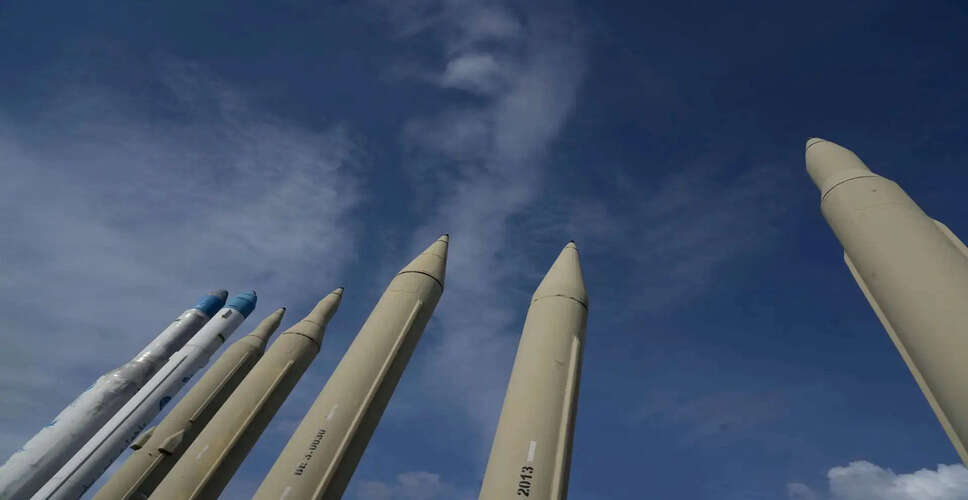
Unlike costly ballistic missiles, Shahed drones can be easily transported in pickup trucks and launched from basic rail systems. Each drone's price is a fraction of the multi-million-dollar interceptors designed to neutralize them, creating a stark cost imbalance. Even if Iran's major production facilities were targeted and destroyed, the country could continue to manufacture drones at smaller, decentralized locations or receive assistance from Russia, which is believed to produce up to 1,000 drones daily.
Iran's tactical approach avoids direct confrontation with US forces, instead focusing on air defenses, radar systems, and command centers to maximize damage. Each expensive interceptor deployed in the Gulf reduces the number available for use in Ukraine, where drones are also being utilized extensively. The Shahed series has evolved over decades, transitioning from basic hobbyist drones in the 1980s to advanced UAVs capable of carrying 90-pound warheads over distances exceeding 1,500 miles. Iran has also supplied drones to allied nations, and while sanctions have hindered production, they have never completely halted it.
Damien Spleeters from Conflict Armament Research encapsulated the strategy: "Simplicity, commercial components, quantity over quality.” Although US and Israeli airstrikes may target large manufacturing facilities, the use of low-cost components and decentralized production makes it nearly impossible to eradicate the threat entirely. In this high-stakes scenario of drones versus missiles, Iran has effectively leveraged the cost disparity: $20,000 drones compel millions in defensive expenditures, while the conflict shows no signs of abating.