
Iran's Digital Strategy: Humor and Memes in Modern Warfare
Iran's Online Influence Amidst Tensions
While US President Donald Trump seems to have halted military actions against Iran in the ongoing conflict in West Asia, a different kind of battle is taking place in the digital realm. On social media platforms, Iran has emerged as a surprisingly influential voice, utilizing humor, satire, and viral content to shape public perception. Instead of traditional wartime communication, Iranian officials and state-affiliated accounts are employing memes and witty diplomatic remarks to convey confidence, despite the complex realities on the ground.
A New Era of Information Warfare
A Different Kind Of Information War
Iran's approach to digital communication signifies a departure from conventional methods. Rather than issuing formal statements or adopting an aggressive stance, its messaging incorporates elements of pop culture, irony, and short, shareable content. Reports indicate that even official Iranian accounts have embraced a more playful tone, often mocking US leadership. For instance, confusion arose from comments made by US Energy Secretary Chris Wright regarding naval operations in the Strait of Hormuz, which Iranian accounts quickly turned into a wave of online satire that blurred the lines between diplomacy and digital performance.
Memes and AI in Storytelling
Memes, AI and Viral Storytelling
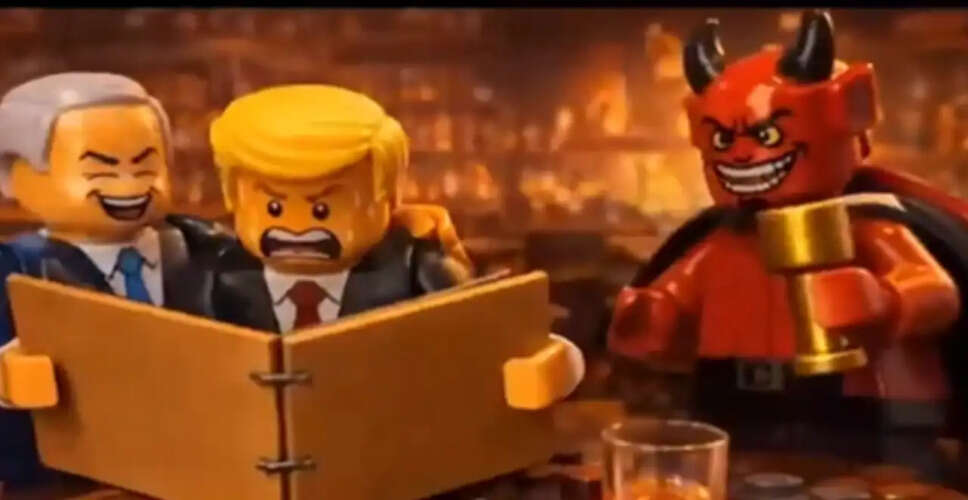
Iran's digital strategy extends beyond mere humor; it includes AI-generated videos, animated clips, and stylized narratives that simplify intricate geopolitical issues into easily digestible content. Some viral videos depict world leaders as Lego characters in exaggerated war scenarios, while others utilize parody formats reminiscent of children's shows or manga animations, often portraying Iran as resilient and in control, contrasting with confused adversaries.
The Effectiveness of This Strategy
Why it Works
Experts suggest that this innovative approach reflects a significant change in how modern conflicts are communicated. By transforming messages into quick, relatable, and shareable content, Iran effectively speaks the language of the internet. Younger audiences, in particular, are more inclined to engage with humor and viral formats rather than traditional briefings, creating a strong sense of engagement and an illusion of control. Even amidst uncertain battlefield realities, the perception of confidence can significantly influence public discourse.
Real-World Implications
Does it translate into real advantage?
However, experts caution that while Iran may be gaining online attention, the outcomes of wars are ultimately determined by military strength and strategic results, not memes. Critics also express concerns that reducing conflict to viral content may trivialize the real human costs involved, and AI-generated videos could contribute to misinformation. Nevertheless, the impact of Iran's digital strategy is clear. Even without a decisive military advantage, Iran has successfully projected confidence, influenced discussions, and dominated the digital narrative, which can hold significant weight in shaping global opinions in real-time.