
Iran's Decentralized Mosaic Defense Doctrine: A New Strategy Post-Saddam's Defeat
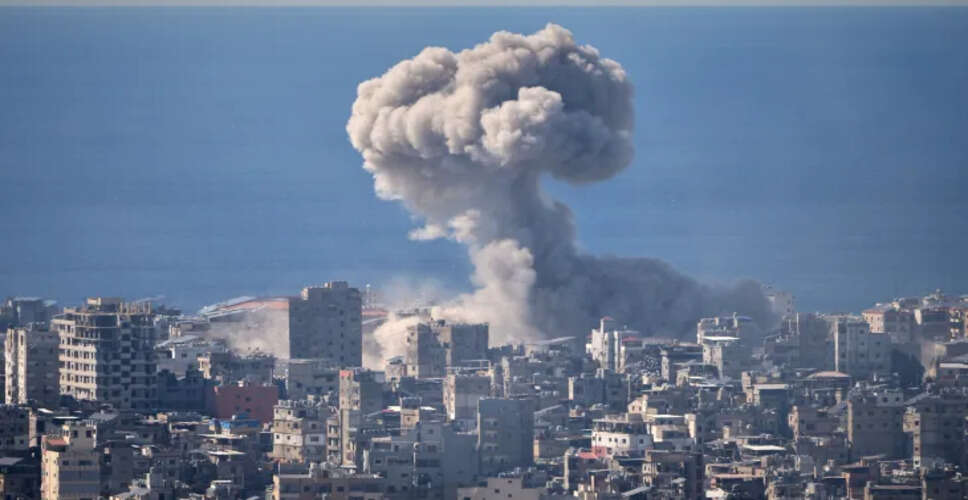
Iran's Resilience After U.S. and Israeli Strikes
In a significant shift, Iran has continued its retaliatory actions following the death of Supreme Leader Ayatollah Ali Khamenei due to joint attacks by the U.S. and Israel. Missile and drone strikes persist, targeting oil facilities across Gulf nations, with the conflict now extending over 2,000 miles. This ongoing warfare is attributed to Iran's unique strategy known as the 'Decentralized Mosaic Defense Doctrine,' developed in response to the rapid collapse of Saddam Hussein's regime in just 26 days during the 2003 U.S. invasion.
Lessons Learned from Saddam's Defeat
The U.S. military's invasion of Iraq in 2003 revealed critical vulnerabilities in Saddam Hussein's centralized military structure. When Baghdad was attacked, the leadership and command centers were destroyed, leading to the disintegration of the entire army. Observing this, Iran resolved to avoid a similar fate.
Major General Mohammad Ali Jafari, former commander of the Islamic Revolutionary Guard Corps (IRGC), initiated efforts towards this doctrine in 2005. After becoming IRGC commander in 2007, he implemented strategies based on extensive studies of U.S. military engagements in Iraq and Afghanistan, concluding that centralized forces are easily dismantled through targeted strikes on leadership.
Understanding the 'Mosaic Defense Doctrine'
- Mosaic refers to small, tile-like units. Iran has restructured its military into several independent 'mosaic' (regional) units.
- Each province and region has established semi-autonomous commands.
- In the event of an attack on Tehran, if leadership is lost or communication is severed, each unit can make independent decisions.
- Pre-planned contingency plans, overlapping command chains, and redundancy ensure operational continuity.
- The IRGC, Basij militia, missile forces, navy, and proxy groups (like Hezbollah and the Houthis) operate as distinct 'tiles.'
- Focus on asymmetric warfare includes the use of inexpensive drones (like Shahed), missiles, and attrition tactics to exhaust the enemy.
Challenges for the U.S. and Israel
- In conventional warfare, defeating the enemy often involves targeting leadership, but in this case, 'decapitation' does not lead to immediate defeat.
- The conflict now operates without a central command, with regional commanders conducting independent attacks.
- The U.S. must remain on the defensive, as each 'tile' can launch separate assaults.
- Experts suggest this doctrine makes Iran 'suicide-proof,' as hostilities can continue even if the regime collapses.
Iran's strategy is proving effective. Despite Khamenei's death, missile strikes, drone attacks, and proxy group activities have intensified. For the U.S. and Israel, this conflict has evolved into a prolonged war of attrition, with the Mosaic Doctrine rendering Iran 'invincible even without a leader.'