
Iran's Conditional Passage Through the Strait of Hormuz Amid Ongoing Conflict
Iran's Stance on Maritime Passage
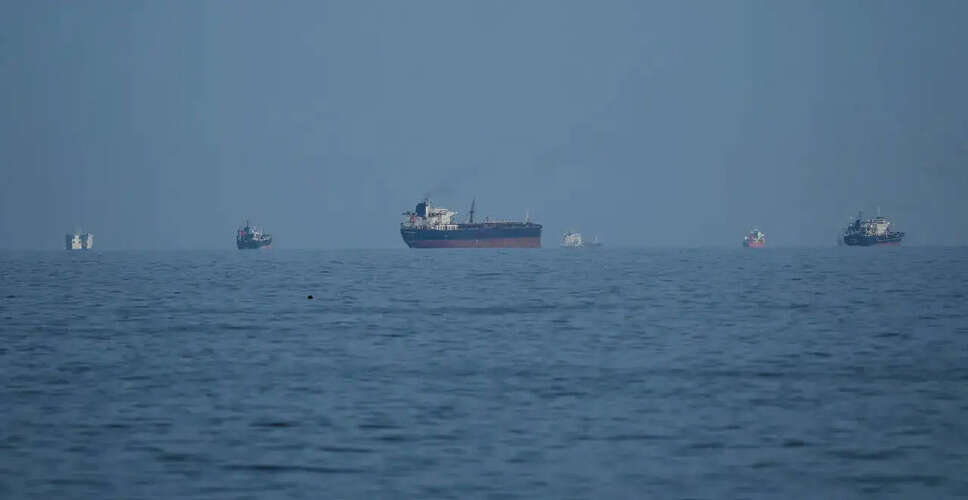
On Thursday, Majid Takht‑Ravanchi, Iran’s Deputy Foreign Minister, announced that the country has permitted certain foreign vessels to navigate through the Strait of Hormuz, despite effectively closing the waterway during its ongoing conflict with the United States and Israel. In a statement to AFP, he mentioned that some nations have been granted permission to transit the strait, although he refrained from specifying which ones. Takht‑Ravanchi emphasized that Iran evaluates the political positions of countries before allowing their ships to pass, stating, “We believe that nations involved in the aggression should not enjoy safe passage through the Strait of Hormuz.”
Identifying Allowed Nations
Which Countries Are Being Allowed To Pass?
Iran has not disclosed the identities of the countries permitted to navigate through the strait. However, regional diplomats have indicated that several Asian and Middle Eastern nations, which have maintained neutrality in the conflict, are in communication with Tehran. Typically, around 20% of global oil and gas supplies transit through the Strait of Hormuz.
Takht‑Ravanchi noted that Iran might allow access to countries that pass a “political test,” which is based on their stance regarding the conflict with the US and Israel. Previously, Iran indicated that the closure of the strait primarily affects vessels from the US, Israel, Europe, and their allies, suggesting that non-Western nations like India could still receive clearance for their flagged or bound ships.
Implications for Global Energy and Diplomacy
What Does This Mean For Global Energy And Diplomacy?
Since the US and Israel initiated their offensive against Iran on February 28, the strait has been largely inaccessible to regular commercial shipping. This closure has triggered a global energy crisis that has now persisted for 13 days, prompting countries in Asia and the Middle East to reroute supplies and implement emergency energy-saving measures. Iran’s Supreme Leader, Mojtaba Khamenei, has urged the US to keep the strait closed and called for the removal of all US military bases from Gulf nations. He stated, “Dear combatant brothers, the demand of the masses is the continuation of an effective and regret-inducing defence.”