
Iran's Cautious Stance on Diplomatic Negotiations Amid Ongoing Tensions
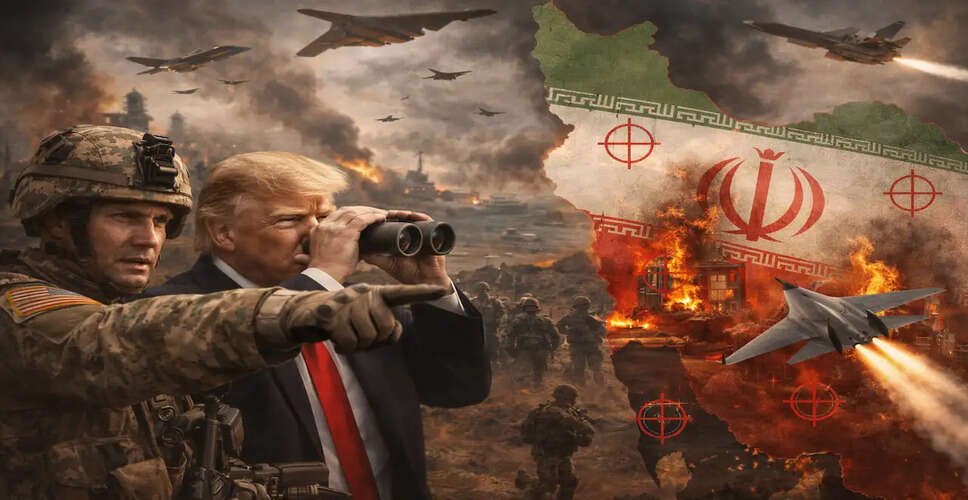
Iran's Reserved Reaction to Diplomatic Initiatives
Iran has responded cautiously to the increasing diplomatic efforts aimed at negotiations, expressing hesitance to re-engage in what it terms a “very negative” cycle of conflict followed by fragile truces. This statement comes as reports indicate that backchannel discussions are in progress to establish a potential ceasefire framework. Dr. Mohammad Fathali, Iran’s Ambassador to India, emphasized Tehran's concerns regarding short-term solutions that do not ensure lasting stability. He remarked, “We have had a very negative experience with the flawed cycle of war, ceasefire, negotiations, and then renewed war,” highlighting the need for agreements that focus on long-term strategic issues rather than temporary de-escalation.
Policy Framework Governs Negotiation Decisions
Regarding the possibility of entering negotiations, Fathali stated that any decision would be made in accordance with Iran’s institutional policy framework and at the highest levels of governance. He noted, “Decisions regarding entering any form of negotiations are made within the framework of overarching policies and with the input of the highest decision-making bodies.” He reiterated that diplomacy remains a viable option, provided it serves the national interests of Iran. “Whenever it is determined that the interests of the Iranian people can be secured through diplomacy, the necessary steps will be taken,” he added.
Iran Dismisses External Pressure
In a separate statement, a senior Iranian official conveyed to media sources that Tehran would not agree to reopen the Strait of Hormuz in exchange for what it perceives as a “temporary ceasefire.” The official expressed doubts about Washington’s commitment to a sustainable resolution, asserting that Iran does not accept negotiations under duress or imposed timelines. Iran has acknowledged receipt of a ceasefire proposal from Pakistan and is currently evaluating it.
Discussion of a Two-Phase Ceasefire Plan
Reports indicate that a proposed framework shared with both the United States and Iran outlines a two-phase approach: an immediate ceasefire followed by negotiations aimed at achieving a permanent agreement. Pakistan’s Army Chief, Field Marshal Asim Munir, is reportedly engaging with key figures, including US Vice President JD Vance, special envoy Steve Witkoff, and Iranian Foreign Minister Abbas Araqchi, as part of mediation efforts. Discussions have also considered a potential 45-day ceasefire window as an initial step towards broader negotiations.
High Strategic Stakes in the Strait of Hormuz
The Strait of Hormuz remains a vital global energy corridor, responsible for nearly one-fifth of the world’s oil and gas supply. Iran has taken steps to limit passage through this critical waterway in response to ongoing airstrikes by the United States and Israel, raising alarms about global energy security. The conflict, now in its sixth week, has resulted in casualties and increased economic uncertainty, particularly reflected in fluctuating oil prices.
Ongoing Tensions Despite Diplomatic Efforts
Despite the ongoing mediation efforts, tensions on the ground remain elevated. US President Donald Trump has issued warnings of further strikes on Iranian energy and transport infrastructure if Tehran does not agree to a deal and reopen the Strait. Fresh aerial attacks were reported across the region on Monday, even as diplomatic channels remain active. Iran has also conducted retaliatory strikes targeting Israel, US military bases, and energy infrastructure throughout the Gulf, highlighting the potential for further escalation.