
Iran's Attack on Qatar's LNG Facility Escalates Regional Tensions
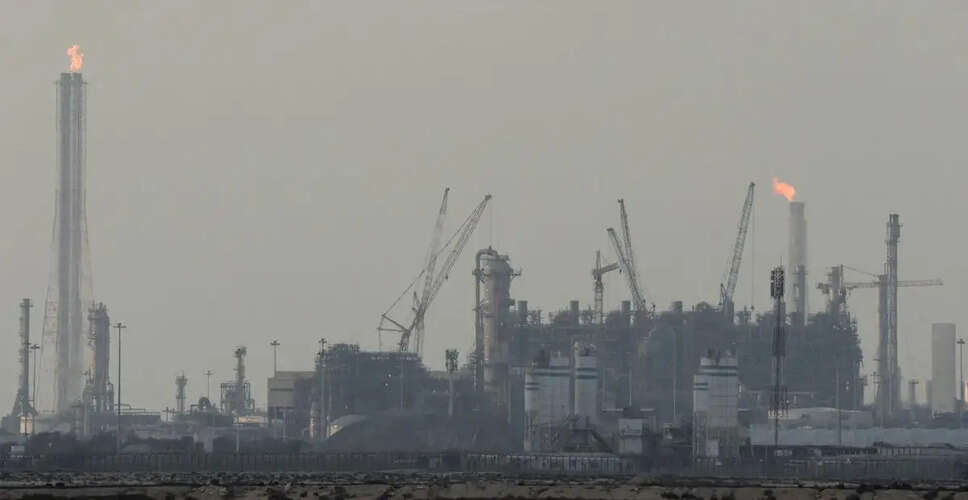
Significant Damage Reported in Qatar
On Thursday, Qatar announced it had sustained “extensive damage” following an assault by Iran on the Ras Laffan industrial complex, which houses the largest liquefied natural gas (LNG) facility globally.
This facility was responsible for 19% of the world's LNG exports in 2025, as reported by a financial news outlet.
In addition to the Ras Laffan attack, Iran targeted multiple oil and gas installations across other Gulf nations, heightening regional tensions.
The Iranian strikes occurred shortly after energy facilities linked to its South Pars gas field, the largest gas reserve shared with Qatar, were also hit.
Global Energy Prices Surge Amid Conflict
Latest Developments in the West Asia Conflict:
- As uncertainty looms over energy supplies, global natural gas prices surged by over 5% on Thursday. India ranked as the second-largest importer of Qatari LNG after China in 2025. The ongoing conflict has already raised concerns and panic regarding supply disruptions in India and worldwide.
- Benchmark Brent crude oil prices rose by more than 4% on Thursday, reaching $111 per barrel, up from $78 just before the conflict began. Iran has effectively blocked the Strait of Hormuz, a crucial maritime route for international shipping, through which approximately 20% of the world's petroleum supply flows.
- U.S. President Donald Trump stated that Israel had retaliated against a significant energy facility associated with the South Pars gas field in Iran due to the escalating situation in West Asia. He claimed that the U.S. was unaware of this specific attack.
- Trump emphasized that Qatar was not involved in the assault on the Iranian facility and criticized Iran for its unjustified attack on a Qatari gas facility.
- He warned that further attacks on the South Pars field would lead to severe consequences, including the potential destruction of the entire gas field.
Iran's Threats and Regional Reactions
🇶🇦 Qatar’s Ministry of Interior confirms it is still “dealing with a fire in the Ras Laffan Industrial Area.”
— Drop Site (@DropSiteNews) March 19, 2026
It’s the world’s largest hub for liquefied natural gas (LNG) production and export. https://t.co/1BxMJhZyQ5 pic.twitter.com/TTwYsdYpqA
- Iran's Revolutionary Guards declared a “new stage of war,” warning that any further attacks on Iranian energy infrastructure would provoke retaliation. Reports indicate that Iranian strikes have targeted energy facilities in Qatar, Saudi Arabia, and the UAE.
- Iran has also issued evacuation warnings for critical Gulf energy sites, including Saudi Arabia’s Samref refinery and Qatar’s Mesaieed petrochemical complex.
- Qatar condemned the attack on Ras Laffan as a “flagrant breach” of its sovereignty and expelled Iranian military personnel within 24 hours. QatarEnergy confirmed that there were no casualties from the attack.
- The UAE condemned the Iranian assault on its Habshan gas facility, labeling it a “terrorist attack” that threatens regional and global energy security.
- Saudi Arabia reported intercepting ballistic missiles aimed at Riyadh and its energy installations, cautioning Iran that its “patience is not unlimited.”
Ongoing Conflict and Its Global Implications
The U.S. and Israel initiated an attack on Iran on February 28, citing Tehran's actions as a direct threat to Israel's existence. Iran has retaliated by targeting Israeli and U.S. military bases in the region, as well as major cities in Gulf nations.
Israel has expressed concerns that Iran is nearing the capability to develop a nuclear weapon, which could significantly alter the security dynamics in the region. Iran, however, maintains that its nuclear program is intended for peaceful purposes.
Since the conflict's onset, Iran has largely blocked the Strait of Hormuz for international shipping, a critical passage for global oil supply.
The International Energy Agency has indicated that the ongoing fighting has resulted in the largest supply disruption in the history of the global oil market.