
Iranian President Critiques US War Efforts in Open Letter

Direct Appeal to the American Public
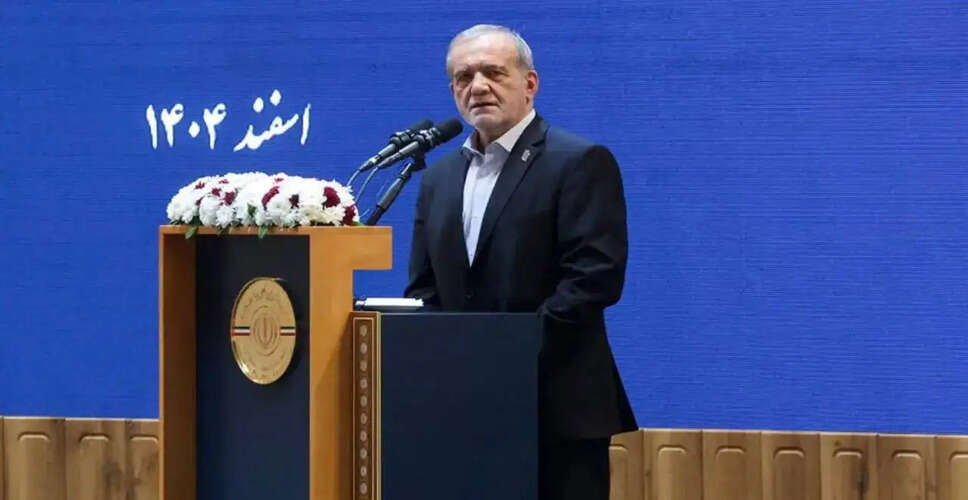
On Wednesday, Iranian President Masoud Pezeshkian made a rare move by addressing an open letter to the citizens of the United States, expressing his disapproval of the ongoing conflict and questioning its justification. He labeled the military engagement as an "absurd operation" that incurs significant costs for the US. Pezeshkian stated, "Today, the world stands at a crossroads. Continuing along the path of confrontation is more costly and futile than ever before." Such open letters are uncommon in Iranian political discourse, and experts believe this could be an attempt to sway American public sentiment and amplify calls for a ceasefire.
Challenging the Justification for War
Questioning the Rationale for War
In his correspondence, Pezeshkian raised doubts about whether the conflict aligns with American interests. He questioned, "Which interests of the American people are genuinely being served by this war? Was there any real threat from Iran to warrant such actions?" He emphasized that the decision made today could have lasting implications, stating, "The choice between war and peace will determine the future for generations to come."
Iran's Stance on the Ongoing Conflict
Iran's Position on the Conflict
Pezeshkian asserted that despite facing numerous aggressors throughout its history, Iran has remained resilient. He remarked, "All that remains of them are tarnished names in history, while Iran endures – resilient, dignified, and proud." He contended that Iran has not sought aggression in its recent history, even when it had military superiority over its neighbors. The president suggested that the US is acting as a proxy for Israel in this conflict, while Iran's actions are framed as "a measured response grounded in legitimate self-defense." He posed the question, "Is 'America First' truly a priority for the US government today?" The conflict, initiated by Israel and the United States on February 28, is now entering its fifth week.
Tensions Surrounding the Strait of Hormuz
Strait of Hormuz at Centre of Tensions
On the same day, US President Donald Trump claimed that Iran had requested a ceasefire; however, this assertion was dismissed by Iran's foreign ministry. Spokesman Esmail Baghaei stated that Trump's comments were "false and unfounded." Trump mentioned that the request had come from Iran's "new regime president," though it remains unclear who he was referring to. Trump is anticipated to address the nation later on Wednesday, having issued an ultimatum for Iran to restore shipping through the Strait of Hormuz by April 6. This strait, crucial for global oil transport, has experienced significant disruptions since the conflict began, raising economic concerns worldwide. The situation continues to evolve, with both parties providing conflicting narratives and no clear signs of de-escalation.