
Iranian Drone Strikes Target Kuwait's Shuwaikh Port Amid Rising Tensions
Drone Attacks on Kuwait's Key Port
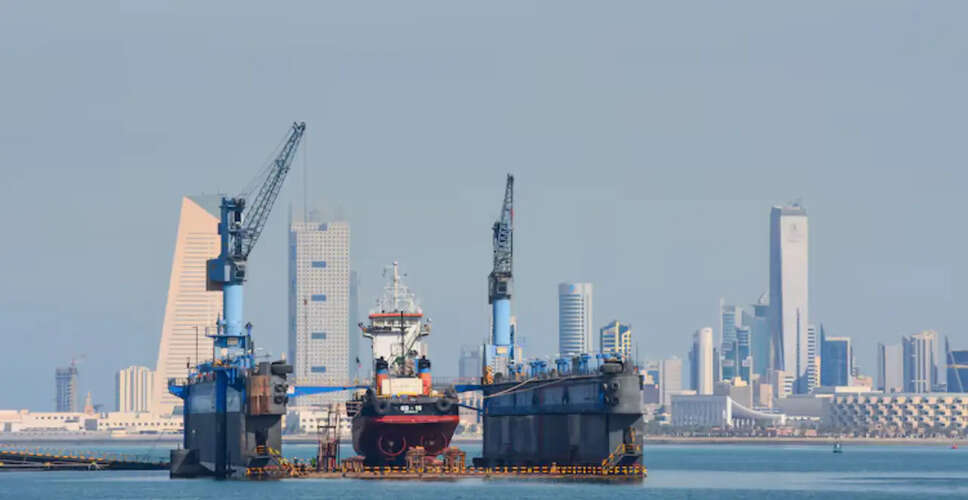
In the early hours, Kuwait's Shuwaikh Port, a vital commercial hub, was struck by Iranian drones, escalating tensions in the Gulf region. Officials confirmed that while the attack resulted in material damage, there were no reported injuries. The Kuwait Ports Authority issued a statement on X, describing the drones as 'enemy drones' and indicating that initial assessments pointed to damage to the port's infrastructure.
This incident follows a recent drone attack on a fuel tank at Kuwait International Airport, which ignited a fire. Emergency services were promptly deployed to manage the situation, and initial evaluations suggested that only material damage occurred.
Significance of Shuwaikh Port
Shuwaikh Port, situated near Kuwait City, serves as the country's main maritime trade center, facilitating cargo handling and commercial shipping. The drone strikes early in the morning resulted in damage to various facilities, as reported by the Kuwait Ports Authority. Emergency protocols were activated in collaboration with relevant agencies. Fortunately, the attack did not result in any casualties, although it did cause material damage.
In a related development, Kuwait's Ministry of Interior announced the arrest of six individuals suspected of plotting to assassinate the country's leaders. These individuals are reportedly linked to the Iran-backed Hezbollah group, with five of them being Kuwaiti nationals. Additionally, 14 other members of the group, who have fled the country, have been identified, including five Kuwaitis, two Iranians, and two Lebanese.
The recent attacks highlight the increasing instability in the Gulf region, as Iran intensifies its actions against various nations in the Middle East in retaliation for ongoing US-Israeli military operations. Several countries in the area have reported threats from drones and missiles aimed at critical infrastructure, raising alarms about the security of shipping routes and trade.