
Iran Responds to US Peace Proposal Amid Ongoing Gulf Tensions

Iran's Official Response Delivered
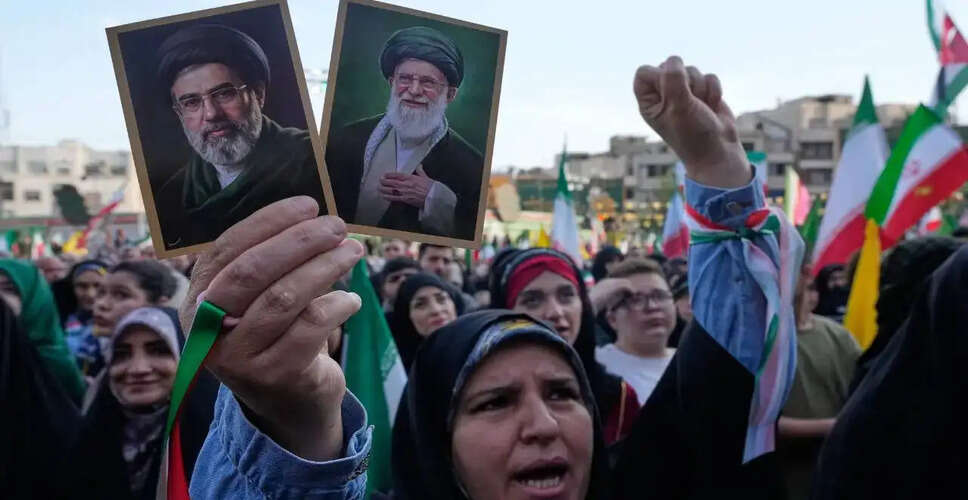
Iran has officially presented its reply to the latest peace initiative proposed by the United States, with the document being delivered by Pakistani mediators on Sunday evening. This development intensifies the pressure on Washington to choose between continuing diplomatic discussions or escalating military actions, as a delicate ceasefire remains in effect without a specified end date. President Donald Trump remarked on Sunday that US forces are vigilantly monitoring Iran's stockpile of enriched uranium and cautioned about potential military responses if there are any movements. "We will eventually get that information. We have it under surveillance," Trump stated during a television interview. He added, "I established Space Force, and they are keeping an eye on it. If anyone approaches the area, we will be aware and respond decisively." A meeting of senior national security officials is anticipated at the White House on Monday to assess Iran's response and decide on subsequent actions.
Current Ceasefire Status
What's the Status of the Ceasefire?
The existing ceasefire has no formal expiration date. Initially announced on April 7 and 8, a two-week truce brokered by Pakistan was later extended by Trump on April 21, contingent upon Tehran providing a formal proposal outlining its stance. Iran has fulfilled this requirement, leaving the future of the ceasefire reliant on the US's reaction.
Iran's Demands in the Proposal
What Has Iran Demanded in New Proposal?
As reported by Iran's state news agency ISNA, Tehran's counter-proposal emphasizes two immediate requests: a permanent cessation of military operations and the reinstatement of maritime security in the Persian Gulf and the Strait of Hormuz. Iranian officials have indicated that the current discussions are focused solely on ending the conflict, while broader issues such as sanctions, nuclear limitations, and regional security will be addressed later. This sequencing has become a significant hurdle in the negotiations. The US proposal outlines a 14-point framework requiring Iran to halt uranium enrichment for a minimum of 12 years, relinquish approximately 440kg of uranium enriched to 60%, and commit to never developing nuclear weapons. Iran has labeled several of these demands as "unreasonable and maximalist." Meanwhile, Washington is concerned that agreeing to end hostilities before securing nuclear concessions could undermine its negotiating leverage.
Continued Military Incidents
Attacks Continue in Middle East
Despite ongoing diplomatic efforts, military incidents persisted across the region on Sunday. A drone strike targeted a cargo ship in Qatari territorial waters, resulting in a brief fire onboard, though no injuries were reported, and the vessel later proceeded to Mesaieed Port. Qatar's foreign ministry condemned the incident as a "serious escalation." Qatari Prime Minister Mohammed bin Abdulrahman Al Thani subsequently communicated with Iranian Foreign Minister Abbas Araghchi, cautioning that using the Strait of Hormuz as a "pressure tool would only exacerbate the crisis." Additionally, South Korea confirmed that one of its bulk carriers, HMM Namu, was struck by an unidentified object near the United Arab Emirates on May 4. The UAE reported that its air defenses intercepted two Iranian drones on Sunday. Since the conflict's onset on February 28, Emirati authorities have intercepted 551 ballistic missiles, 29 cruise missiles, and 2,265 drones. On Friday, a US Navy F/A-18 fighter jet targeted two Iranian-flagged tankers accused of breaching a naval blockade imposed on April 13. Pakistan, acting as a mediator throughout the negotiations, stated it remains in "constant communication with both Iran and the United States, day and night, to prevent the war."