
Iran Rejects Ceasefire, Prepares for Extended Conflict with the US
Iran's Stance on Ceasefire
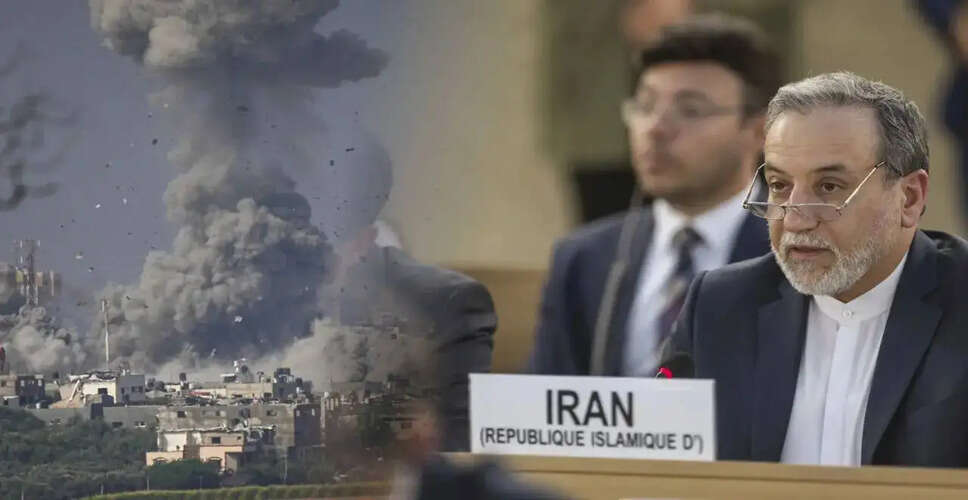
Iran has firmly dismissed the possibility of an immediate ceasefire in its ongoing conflict with the United States and its allies. Foreign Minister Abbas Araghchi emphasized that Tehran is gearing up for a broader and potentially lengthy confrontation. In a discussion with journalist Ali Hashem on Al Jazeera English, Araghchi rejected the notion of a temporary cessation of hostilities, asserting that the conflict cannot be resolved in isolation or through limited agreements. “We do not believe in a ceasefire; we believe in ending the war,” he stated, indicating that any resolution must encompass all active fronts simultaneously, including Lebanon, Yemen, and Iraq. This declaration signifies a significant shift in Iran’s public stance as the conflict, partly fueled by Operation Epic Fury, expands both in scope and geography.
Conflict Expands Beyond Iran
A War No Longer Confined To Iran
The conflict has transitioned from targeted strikes to a multi-theatre confrontation. Since late February, US-led operations under Operation Epic Fury have extended beyond Iranian borders, targeting various military assets, including missile systems, air defenses, and naval infrastructure. The scale of this campaign, as detailed by the United States Central Command, indicates a sustained effort rather than a mere punitive action. In response, Iran has broadened its military actions, with missile and drone strikes linked to Tehran reaching multiple locations across the Gulf region, while tensions in critical shipping lanes continue to escalate. The battlefield is no longer limited to a single front; it has become layered, dispersed, and increasingly challenging to manage.
Tehran's Strategic Narrative
‘America’s War’: Tehran’s Strategic Narrative
Referring to the conflict as “America’s war,” Araghchi reinforced a narrative that has been consistent among Iranian leadership since the conflict's inception. From Tehran's viewpoint, the scale and coordination of strikes indicate an effort to systematically undermine Iran’s military capabilities and strategic reach, rather than merely deterring or punishing specific actions. This perspective shapes Iran’s diplomatic approach. If the war is perceived as externally driven and regional, then a ceasefire—especially a temporary one—is deemed inadequate. Iranian officials are advocating for a comprehensive settlement that would redefine the security framework across various theatres. Araghchi highlighted strategic chokepoints like the Strait of Hormuz, emphasizing their significance in any future agreements.
Increasing Military Pressure
Military Pressure Builds On Both Sides
On both land and sea, military activity is intensifying. US forces are deploying a combination of strategic bombers, surveillance aircraft, and naval strike groups throughout the region. According to defense officials, the objective is to maintain pressure on Iranian military infrastructure while securing key maritime routes. Conversely, Iran shows no signs of retreating. Araghchi asserted that Tehran is ready to “defend itself for as long as it takes,” aligning with broader assessments that the conflict is entering a more extended phase. Rather than indicating fatigue, Iranian messaging suggests a readiness for prolonged engagement. The nature of the conflict is also evolving, with air strikes now accompanied by drone warfare, maritime disruptions, cyber operations, and information campaigns—factors that complicate both escalation control and diplomatic efforts.
Limited Diplomatic Options
Limited Space For Diplomacy — For Now
While Araghchi did not entirely dismiss the possibility of diplomacy, his conditions leave little room for interim solutions. He suggested that any negotiations would need to address the conflict in its entirety rather than focusing on isolated ceasefires. He also hinted at the potential involvement of external actors, including China, in future discussions, although no structured process has yet been established. Currently, the trajectory appears clear. With both sides maintaining a high operational tempo and expanding their strategic goals, the conflict is shifting away from short-term de-escalation towards a more complex and prolonged confrontation. Araghchi’s message succinctly captures this shift: Tehran's focus is not on pausing the war but on redefining how and where it concludes.