
Iran Proposes New Diplomatic Initiative for Strait of Hormuz Amid Geopolitical Tensions
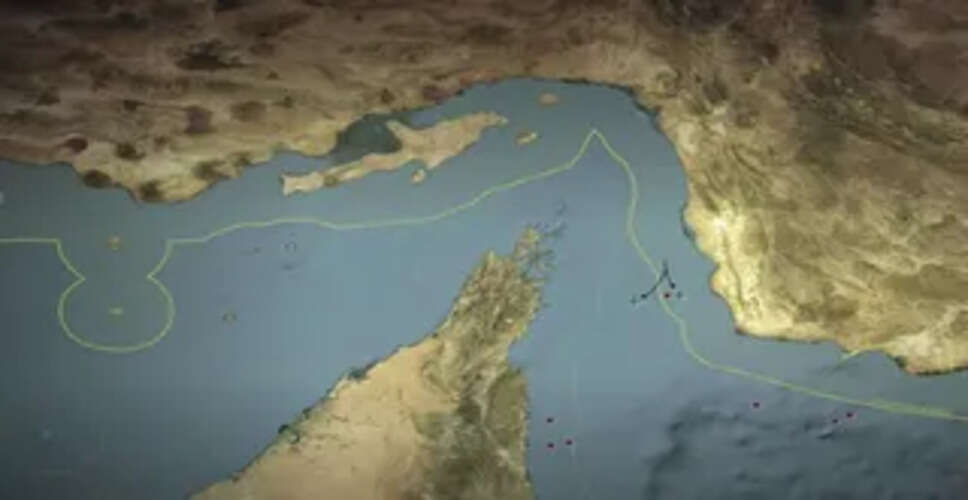

Iran's Strategic Proposal for Strait of Hormuz
In light of ongoing geopolitical tensions in the Middle East, Iran has introduced a significant diplomatic initiative concerning the Strait of Hormuz. This strait is recognized as one of the world's most crucial maritime routes, facilitating a substantial portion of global oil supply. Iran's proposal has sparked new discussions on the international stage.
According to reports, Iran has outlined certain conditions to the United States, indicating that it would assist in ensuring the safe and smooth passage of vessels through the Strait if these conditions are met. Iran emphasizes that respect for its sovereignty and security interests in the region is essential.
Sources reveal that Iran's key demands include limiting foreign military presence, refraining from interference in the internal affairs of regional countries, and easing some of the economic sanctions imposed on it. Iran has consistently raised these issues and has now directly linked them to the security of the Strait of Hormuz.
Experts believe that this proposal is a strategic move by Iran, aimed not only at pressuring the United States but also at conveying to the international community that its role in regional stability cannot be overlooked. Some analysts suggest that this proposal serves as a warning that ignoring its conditions could escalate tensions in the region.
As of now, there has been no formal response from the United States regarding this proposal. However, the U.S. administration has previously made it clear that it will not tolerate any disruptions to international waterways and is committed to ensuring maritime security in collaboration with its allied nations.
Meanwhile, global markets are closely monitoring the situation in the Strait of Hormuz, which is considered the backbone of the world's energy supply. Any tension in this area could lead to significant fluctuations in oil prices, raising concerns among investors and oil-importing countries.
Overall, Iran's new proposal could play a crucial role in shaping the future of U.S.-Iran relations. It remains to be seen whether both parties can reach a mutual agreement through dialogue or if the issue will become more complex.